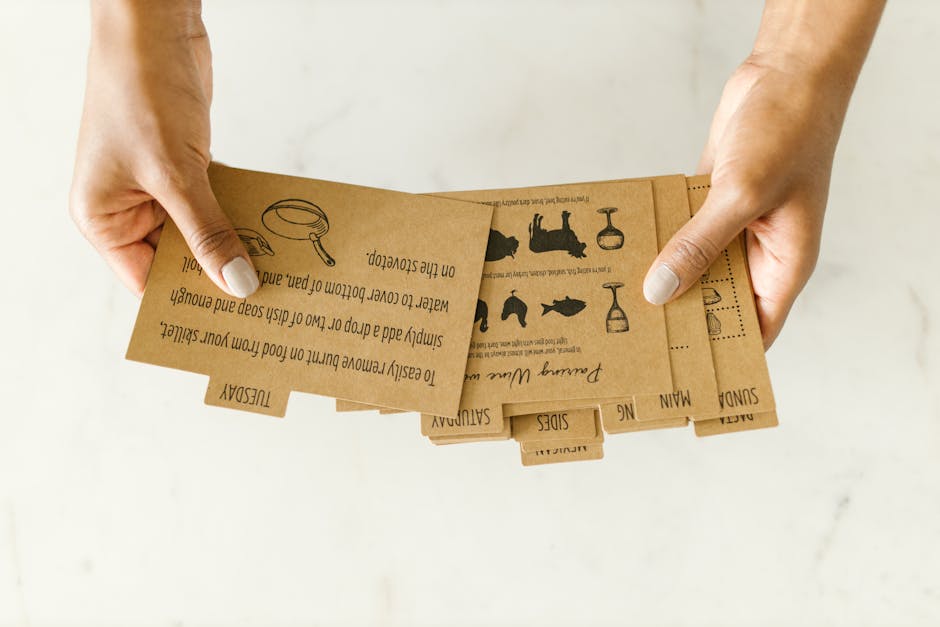

Start with Your “Why”
If you want your meal plan to stick, you need to be brutally honest about what you’re trying to solve. Are you short on time during the week? Tired of feeling like you’re ordering takeout for sport? Or just done playing fridge roulette with wilted greens and expired yogurt? Clarity cuts through excuses.
Once you figure out your real goal whether it’s saving money, eating cleaner, or dropping weekday stress build around that. You don’t need to cook every meal from scratch or prep quinoa like a food blogger. You need a plan that supports your actual life. Sustainability beats perfection every time.
And don’t ignore your personal rhythms. If your energy tanks after 6 p.m., maybe it’s batch cook Sundays and microwave magic the rest of the week. If you’re hungriest at lunch but light at dinner, flip the portion sizes. The best meal plans don’t fight your habits they work with them.
Take Inventory Before You Plan
Before you even think about what to cook next week, open your fridge. Then your freezer. Then your pantry. Do a real sweep not just a glance. That lonely sweet potato? The half used tub of Greek yogurt? The frozen soup you forgot existed? These are the building blocks of your next few meals.
Organize what you’ve got. Group by category or expiration date, whatever helps you actually see what needs using.
The goal here is simple: avoid wasting food and money. Got produce about to turn? That becomes tonight’s stir fry. Bag of frozen chicken thighs from three months ago? Thaw now, grill later. Build your plan around what’s on hand and build in some flexibility. Planning meals like this doesn’t just stretch your dollar it trims the mental clutter too.
Keep It Stupid Simple (KISS)
You don’t need an elaborate spreadsheet or a culinary degree to create a weekly meal plan. In fact, simplicity is often the secret to consistency. The “KISS” approach Keep It Stupid Simple encourages you to focus on ease, not perfection.
Rotate a Few Core Meals
Instead of planning seven brand new meals each week, try selecting 2 4 core dishes you actually enjoy and can make on autopilot. These serve as the reliable backbone of your plan.
Choose meals your household loves and won’t get tired of
Repeat them weekly with small variations in flavor or ingredients
Save complex recipes for weekends or special days
Make Room for Leftovers and Flex Meals
Planning every single meal can backfire. Life happens. Give yourself permission to not cook every day.
Intentionally make double portions for next day lunches
Dedicate nights for “anything goes” meals like wraps, salads, or grain bowls using what’s leftover
Reduce food waste while easing weeknight stress
Embrace Theme Nights
Having a set theme for certain days eliminates decision making and adds a fun rhythm to your week. It’s a method many busy households swear by.
Taco Tuesday: rotate between beef, bean, or chicken tacos
Sheet Pan Sunday: toss veggies and protein into the oven for an easy, all in one meal
Meatless Monday: incorporate a plant based dish once a week
Pick and personalize your themes based on favorites and dietary goals make the plan feel familiar, not forced.
Use a Realistic Recipe Strategy
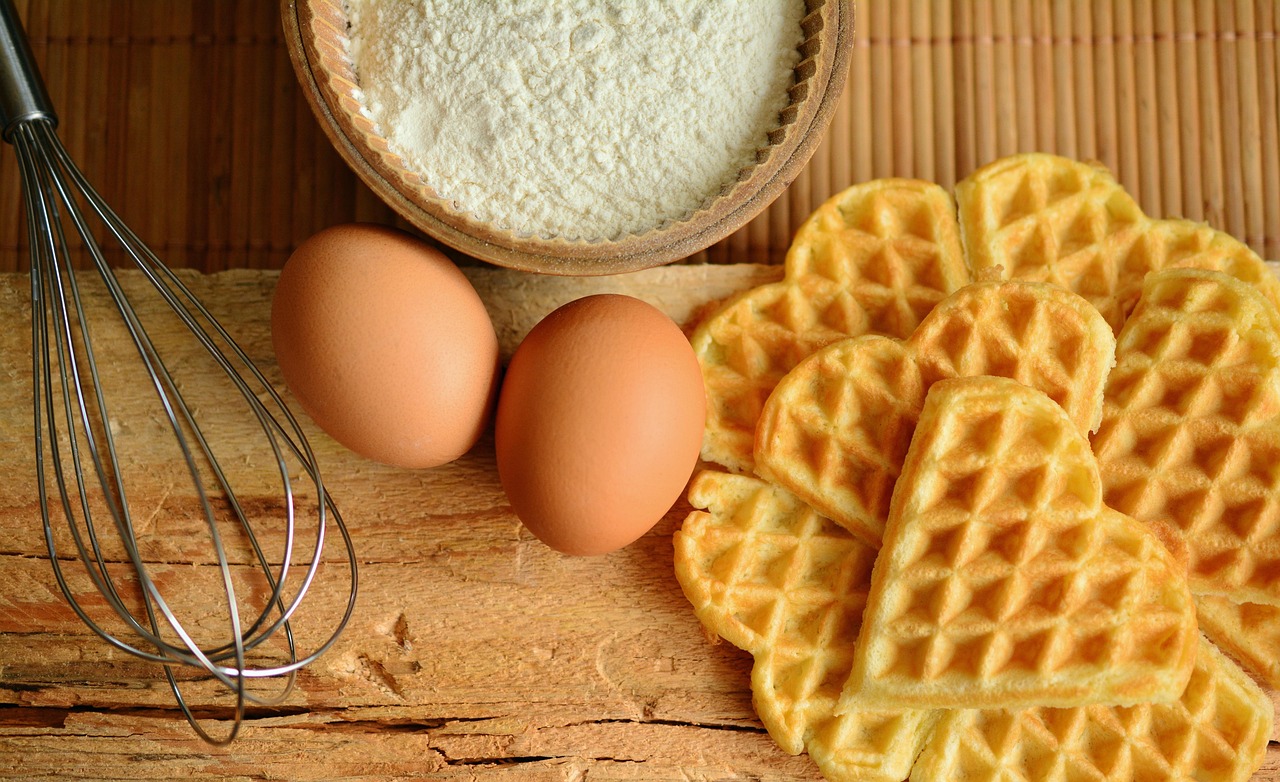
Weekdays are not the time to play chef. Keep your meals bare bones and functional: five ingredients or fewer, if you can swing it. Think stir fries, sheet pan dinners, or soup and sandwich pairings. Your future tired self will thank you.
Batch cooking is non negotiable if you want to stop the midweek meal scramble. Set aside time once or twice a week to prep a few foundational pieces roast a tray of veggies, cook up some grains, and grill or bake some proteins. Store them and mix them through the week. No need to reinvent the wheel every day.
And be honest there will be days when your motivation is in the gutter. For those, have a go to meal that’s practically muscle memory. Pasta with jarred sauce, a scrambled egg bowl, or quesadillas. The point is to eat something homemade and move on.
If you’re starting from zero, this guide will get you on track: Meal Prep for Beginners Everything You Need to Know to Get Started.
Make the Plan Work for You, Not Against You
Creating a weekly meal plan doesn’t mean locking yourself into a strict routine. The goal is to create a flexible framework that reduces stress, not adds to it. Here’s how to make your meal plan support you without becoming overwhelming.
Leave Room for Real Life
Even the best laid plans need wiggle room. Life happens social invites, last minute cravings, or nights when you just don’t feel like cooking.
Schedule 1 2 “flex meals” where you can eat out, get takeout, or wing it with what’s on hand
Avoid planning every single meal to the minute too much structure can backfire
Treat your plan as a guide, not a rulebook
Build as You Go
Creating your shopping list while planning meals saves time and mental energy. It also helps prevent last minute grocery runs.
Write down ingredients while selecting recipes
Group your list by section (produce, pantry, frozen, etc.) to streamline shopping
Check what you already have to avoid duplicates or waste
Choose Tools That Match Your Style
There’s no one size fits all method for meal planning. The best tools are the ones you’ll actually use consistently.
Prefer digital? Use apps like Mealime, Plan to Eat, or even Google Sheets
Like something tangible? Try a whiteboard, printable template, or simple notebook
Bonus tip: Keep your plan somewhere visible (like on the fridge) so everyone knows what’s for dinner
Meal planning shouldn’t feel like a chore. With enough flexibility and the right tools, it becomes a weekly habit that frees up brain space and makes your days easier.
Revisit & Adjust Weekly
Every week, take ten quiet minutes to look back. What didn’t get eaten? Was the recipe too ambitious? Did you just not feel like lentil soup on Thursday? That’s not failure it’s data. Use it.
Your schedule changes. So does your appetite. Maybe you’re on a deadline all week and can only handle no cook meals. Maybe it’s cold and you’re craving warmth or it’s berry season and suddenly all you want is smoothies. Pay attention.
Adjust next week’s plan. Swap out meals that didn’t work. Double down on the ones that did. The point isn’t to follow a plan perfectly it’s to build one that flexes with real life. Progress comes from paying attention and shifting with intention. That’s meal planning that sticks.
Final Tips for Sticking to It
Forget being perfect. Aim to hit about 80% of your plan each week that’s enough to see real results without burning out. Life happens, plans change, and your energy levels won’t always cooperate. That’s normal. What matters is showing up consistently, not flawlessly.
Freezer meals are your backup plan. They’re not glamorous, but they’re reliable. Having a stash of prepped soups, curries, or burrito packs means you’ve always got a decent meal within reach no drive thru guilt. Take a few hours once or twice a month to stock your freezer and thank yourself later.
At the end of the day, your meal plan isn’t just about food. It’s about taking back time, lowering stress, and making fewer decisions during your busiest hours. Done right, meal planning isn’t a chore it’s one less thing to worry about.
 There is a specific skill involved in explaining something clearly — one that is completely separate from actually knowing the subject. Judith Colemanstin has both. They has spent years working with delicious recipe ideas in a hands-on capacity, and an equal amount of time figuring out how to translate that experience into writing that people with different backgrounds can actually absorb and use.
Judith tends to approach complex subjects — Delicious Recipe Ideas, Meal Prep and Planning, Food Culture and Trends being good examples — by starting with what the reader already knows, then building outward from there rather than dropping them in the deep end. It sounds like a small thing. In practice it makes a significant difference in whether someone finishes the article or abandons it halfway through. They is also good at knowing when to stop — a surprisingly underrated skill. Some writers bury useful information under so many caveats and qualifications that the point disappears. Judith knows where the point is and gets there without too many detours.
The practical effect of all this is that people who read Judith's work tend to come away actually capable of doing something with it. Not just vaguely informed — actually capable. For a writer working in delicious recipe ideas, that is probably the best possible outcome, and it's the standard Judith holds they's own work to.
There is a specific skill involved in explaining something clearly — one that is completely separate from actually knowing the subject. Judith Colemanstin has both. They has spent years working with delicious recipe ideas in a hands-on capacity, and an equal amount of time figuring out how to translate that experience into writing that people with different backgrounds can actually absorb and use.
Judith tends to approach complex subjects — Delicious Recipe Ideas, Meal Prep and Planning, Food Culture and Trends being good examples — by starting with what the reader already knows, then building outward from there rather than dropping them in the deep end. It sounds like a small thing. In practice it makes a significant difference in whether someone finishes the article or abandons it halfway through. They is also good at knowing when to stop — a surprisingly underrated skill. Some writers bury useful information under so many caveats and qualifications that the point disappears. Judith knows where the point is and gets there without too many detours.
The practical effect of all this is that people who read Judith's work tend to come away actually capable of doing something with it. Not just vaguely informed — actually capable. For a writer working in delicious recipe ideas, that is probably the best possible outcome, and it's the standard Judith holds they's own work to.