Why Meal Prep Works in 2026
Meal prepping isn’t just a food trend it’s a full on strategy for modern life. In a world where schedules are packed and health goals can feel overwhelming, prepping meals ahead of time delivers big wins with minimal daily friction.
Cook Once, Eat Often
Time is one of your most valuable assets. Meal prepping allows you to:
Drastically reduce weeknight cooking time
Say goodbye to daily “what’s for dinner?” stress
Focus on what matters most work, workouts, family, rest
Instead of cooking every day, you put in focused effort once or twice a week and reap the rewards for days to come.
Consistency Without the Guesswork
If you’re trying to eat healthier, meal prep simplifies decision making and keeps you on track.
Prepped meals help you avoid impulse takeout or vending machine lunches
Portion control becomes second nature
You learn which meals keep you full and energized
Over time, this consistency builds habits and healthier choices become automatic.
Save Money, Reduce Waste, Cut Stress
It’s not just about health meal prepping is great for your wallet and peace of mind:
Cost savings: Buying in bulk and planning ahead means fewer emergency food runs
Less food waste: When you portion and plan, ingredients get used (not forgotten in the fridge)
No more decision fatigue: One big plan means fewer micro decisions throughout the week
Meal prep isn’t about being perfect. It’s about setting your future self up for success, one container at a time.
Gear You’ll Actually Use
Having the right tools can make meal prep smoother, safer, and more enjoyable. You don’t need a full kitchen renovation just a few key items that work hard for you week after week.
Reusable Containers: Glass vs. Plastic
Choosing the right containers is essential for storage, freshness, and safety. Here’s what to consider:
Glass Containers
Durable and microwave safe
Less likely to stain or absorb odors
Ideal for long term storage and reheating
Plastic Containers
Lightweight and budget friendly
Great for on the go meals
Opt for BPA free to keep things food safe
Tip: Whichever you choose, stick to the same brand or size family to make stacking and storing easier.
Labels, Markers & Storage Hacks
Staying organized doesn’t stop at the cooktop.
Use write on labels or painter’s tape with a permanent marker to note the prep date and contents.
Keep a dry erase board or sticky notes on the fridge to track what meals are left.
Sort meals by day or category using stackable bins in your fridge or freezer.
Must Have Kitchen Tools
You can prep smarter, not harder, with just a few kitchen MVPs:
Digital Kitchen Scale
Ensures accurate portion sizes
Helps stick to nutrition goals
Rice Cooker or Instant Pot
Hands off meal base cooking (not just for rice!)
Great for grains, stews, and even eggs
High Quality Chef’s Knife
Makes prepping faster and safer
A sharp knife reduces fatigue and improves control
Invest in gear that lasts and simplifies your process. Minimal clutter, maximum impact.
Picking the Right Recipes
Start simple. That means recipes with three to five ingredients max. Fewer moving parts mean less prep, quicker cooking, and lower odds of mental burnout. It’s easier to build habits when your shopping list doesn’t look like a lab inventory.
Next, think ahead. Not all meals are designed to survive the fridge or freezer. Gravitate toward recipes that reheat well things like hearty stews, roasted veggies, meatballs, or grain bowls. Bonus points if it tastes even better the next day.
Aim for balance. Each meal should cover your bases: some solid protein, a dose of fiber, and a healthy fat to keep things satisfying. That formula keeps you full longer and cuts down on snacks you didn’t plan.
Here’s a smart trick early meal preppers overlook: instead of preparing entire meals, batch cook components. Grill a bunch of chicken, roast a tray of brussels sprouts, cook up a pot of quinoa. Mix and match during the week it brings variety without added prep time.
Step by Step for Your First Meal Prep Session
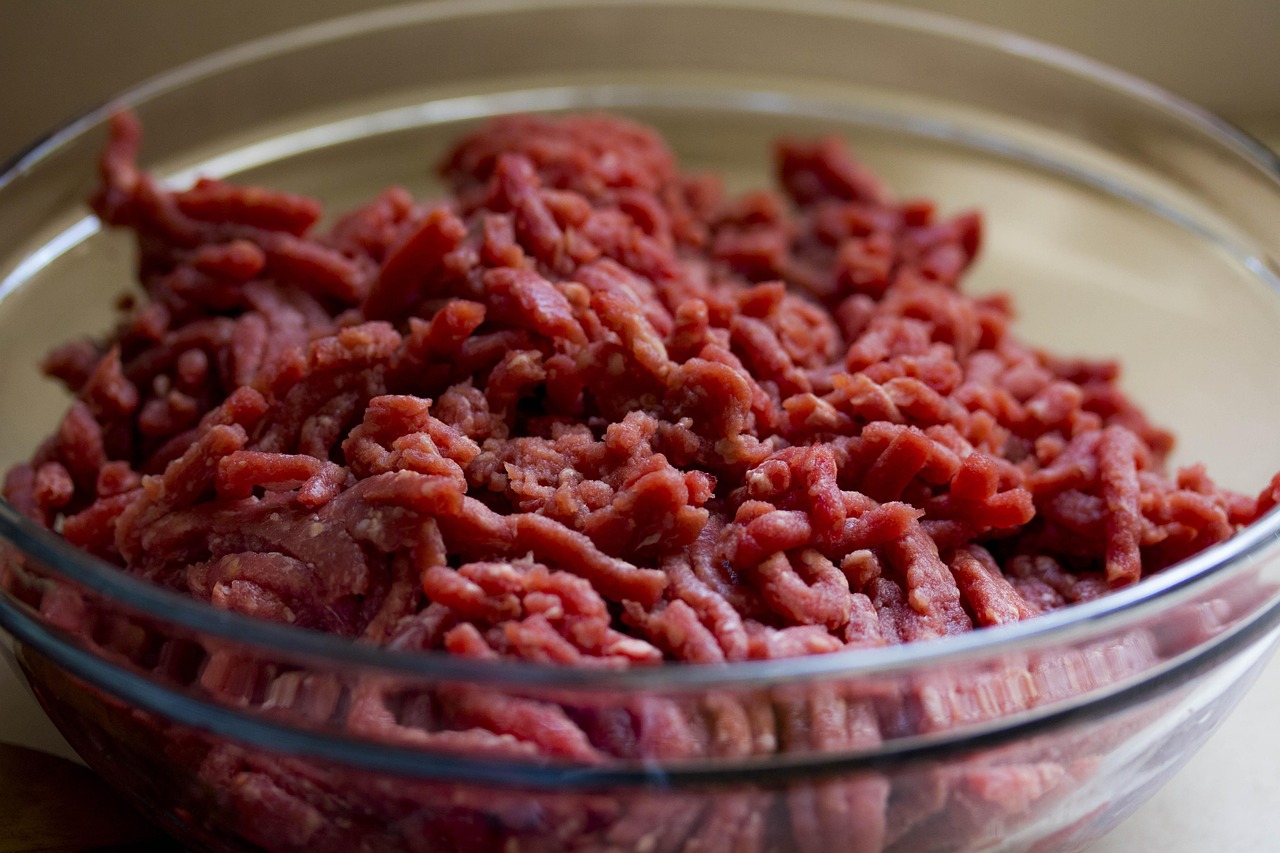
If you’re new to meal prep, simplicity is your best ally. Here’s the basic framework to get you moving without getting overwhelmed.
-
Plan for 3 4 Days of Meals
Start small. You don’t need to map out your next two weeks just aim to cover a few lunches or dinners. Pick 2 3 recipes max, and make sure they share a few ingredients. This keeps your grocery list tight and your prep session efficient. -
Shop Once with a List
Winging it at the store leads to extra spending and wasted food. Write down exactly what you need for your meal plan nothing more. Stick to the list, shop once, and you’re done. -
Prep and Store in Portions
When you get home, get straight to it. Chop, cook, and divide your meals into containers. Label with the date. Clear bins help you see what’s ready to grab, and you’ll thank yourself for setting up a grab and go system.
Keep It Safe: Cooling, Storing, and Reheating
Food safety isn’t optional. Let hot food cool slightly before sealing containers trapping steam leads to soggy meals and bacteria growth. Store meals in the fridge within two hours of cooking. Most prepped meals keep well in the fridge for 3 4 days.
Reheat only what you’re about to eat, and when you do, heat it through 165°F is the safe zone. The microwave is fine if you’re stirring halfway through. It’s not just about flavor it’s about avoiding stomach issues, too.
Start basic, stay consistent, and build from here. Your future self (and your stomach) will be glad you did.
Staying Consistent
Meal prep can feel great until it doesn’t. Over time, cooking the same meals week after week will wear you down. That’s when burnout hits. The fix? A simple 2 week rotating menu. You don’t need 14 completely different meals just switch up 5 7 dishes in a smart cycle. You still get routine, just without the boredom.
Another trick: sauces, toppings, and spice blends are your best friends. Chicken and rice gets old fast unless one week it’s Tex Mex, and the next it’s teriyaki. Keep a small roster of flavor boosters on hand and mix them in as needed. It gives you flexibility without starting from scratch.
And here’s the real hack: schedule your prep. Maybe it’s Sunday morning. Maybe it’s Wednesday night. Whatever works. Put it on your calendar and treat it like a meeting. The more you build it into your rhythm, the less mental energy it takes. Consistency doesn’t have to mean rigid it just has to be repeatable.
When the Freezer Is Your Best Friend
Not all meals freeze well. The goal is to save time not end up with a soggy mess or flavorless dinner. Stick with dishes that hold their texture and taste through the freeze thaw cycle.
Best bets? Think sturdy and sauce heavy. Soups and stews (like chili or lentil soup) freeze like champs. Casseroles especially lasagna, enchiladas, or shepherd’s pie keep their integrity. Cooked grains, meatballs, burritos, and breakfast sandwiches also come out of the freezer strong if wrapped and stored right.
Avoid meals with high water content or crispy toppings. Salad, fresh fruit, unfried eggs, and fried foods usually don’t bounce back well. Cream based sauces can split too, unless stabilized.
To lock in flavor and texture, cool meals completely before freezing. Use airtight containers or wrap well with foil and freezer bags to fend off freezer burn. Label everything. And don’t forget the date.
More options and storage tips here: Freezer Friendly Meals to Help You Save Time Every Week
Simple Mistakes to Dodge Early On
Starting strong with meal prep is easier when you avoid the early traps. First up: don’t try to impress your future self with six brand new recipes. Cooking meals you’ve never made especially multiple at once kills time, energy, and usually patience. Stick with one or two new dishes max, and fill the rest of your plan with things you already know how to handle.
Then there’s portion control. It’s not just about calories it’s about balance. Prep too much and you waste food. Not enough, and you’re back in the snack cabinet by 3 p.m. A digital scale helps, but even basic measuring cups can keep you on track.
Lastly, don’t skip checking expiration dates. Outdated canned goods or neglected produce can take a whole batch down. It’s a simple habit that saves your stomach and your schedule. Think of it like backing up your files: not thrilling, but critical.
You’ve Got This
Meal prep looks like a big lift at first. But like anything, repetition chips away at the friction. The more you do it, the less time it takes and the more you figure out how to cut corners without losing quality. You’ll stop triple checking your recipes and start trusting your gut. You’ll find your go to containers, your favorite one pan meals, and that meal you can always count on to save a chaotic Tuesday.
Don’t try to tackle it all at once. Start with one meal type just lunches, for example. Give yourself one win, then build off of it. Maybe next week you add breakfasts, or prep a couple of dinner staples. Small wins add up. That kind of momentum turns into habit, and that habit turns into a routine you can actually stick with.
It’s not about perfection. It’s about showing up, keeping things simple, and adjusting as you go. You’ve got this.
 There is a specific skill involved in explaining something clearly — one that is completely separate from actually knowing the subject. Joycelyn Howellstine has both. They has spent years working with healthy cooking tips in a hands-on capacity, and an equal amount of time figuring out how to translate that experience into writing that people with different backgrounds can actually absorb and use.
Joycelyn tends to approach complex subjects — Healthy Cooking Tips, Culinary Techniques and Tricks, Seasonal and Festive Recipes being good examples — by starting with what the reader already knows, then building outward from there rather than dropping them in the deep end. It sounds like a small thing. In practice it makes a significant difference in whether someone finishes the article or abandons it halfway through. They is also good at knowing when to stop — a surprisingly underrated skill. Some writers bury useful information under so many caveats and qualifications that the point disappears. Joycelyn knows where the point is and gets there without too many detours.
The practical effect of all this is that people who read Joycelyn's work tend to come away actually capable of doing something with it. Not just vaguely informed — actually capable. For a writer working in healthy cooking tips, that is probably the best possible outcome, and it's the standard Joycelyn holds they's own work to.
There is a specific skill involved in explaining something clearly — one that is completely separate from actually knowing the subject. Joycelyn Howellstine has both. They has spent years working with healthy cooking tips in a hands-on capacity, and an equal amount of time figuring out how to translate that experience into writing that people with different backgrounds can actually absorb and use.
Joycelyn tends to approach complex subjects — Healthy Cooking Tips, Culinary Techniques and Tricks, Seasonal and Festive Recipes being good examples — by starting with what the reader already knows, then building outward from there rather than dropping them in the deep end. It sounds like a small thing. In practice it makes a significant difference in whether someone finishes the article or abandons it halfway through. They is also good at knowing when to stop — a surprisingly underrated skill. Some writers bury useful information under so many caveats and qualifications that the point disappears. Joycelyn knows where the point is and gets there without too many detours.
The practical effect of all this is that people who read Joycelyn's work tend to come away actually capable of doing something with it. Not just vaguely informed — actually capable. For a writer working in healthy cooking tips, that is probably the best possible outcome, and it's the standard Joycelyn holds they's own work to.