
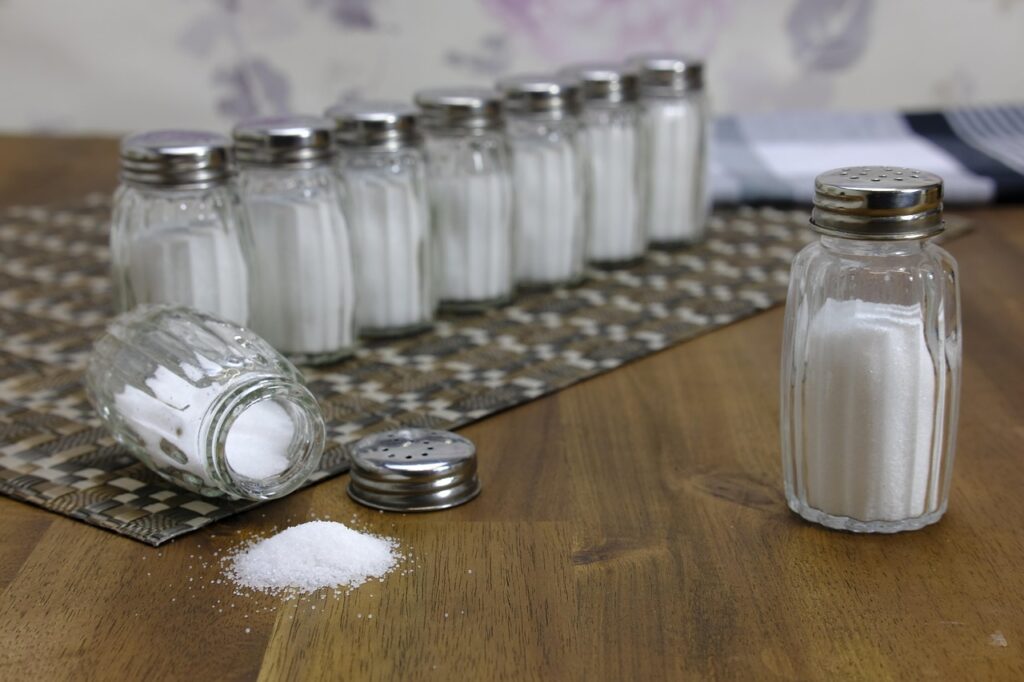
Why Cut Back on Sodium?
Reducing sodium in your diet isn’t just about following health trends it can lead to significant improvements in long term wellness.
The Health Benefits
Excess sodium is closely linked to high blood pressure, which increases the risk for heart disease and stroke. By cutting back on salt, you can:
Support healthy blood pressure levels
Reduce the strain on your heart and blood vessels
Improve overall cardiovascular health
Even small sodium reductions can make a noticeable difference, especially for those at risk of hypertension or managing chronic conditions.
Spotting Hidden Sodium Sources
Not all salt comes from the salt shaker. In fact, more than 70% of the average person’s sodium intake comes from packaged and restaurant foods. Key culprits include:
Canned soups and sauces
Ready made frozen meals
Snack foods like chips and crackers
Restaurant entrées and fast food
Reading nutrition labels and cooking more meals at home are two effective ways to regain control.
Your Palate Can and Will Adjust
If you’re used to salty meals, lowering your sodium can at first feel like a downgrade in flavor. But good news: taste buds adapt.
Within just a few weeks, your sensitivity to salt will increase
Foods that once seemed bland will begin to taste rich and full
Other flavors sweet, bitter, sour, and umami will become more noticeable and enjoyable
Cutting sodium isn’t about losing flavor it’s about learning to taste it differently.
Stock Your Pantry with Flavor Powerhouses
Reducing sodium doesn’t mean reducing flavor. With the right ingredients on hand, your meals can stay bold, satisfying, and anything but bland. Here’s how to upgrade your pantry and pack your dishes with taste without reaching for the salt shaker.
Essential Low Sodium Flavor Boosters
These ingredients deliver serious flavor without added sodium:
Citrus (lemon, lime, orange): Brightens and lifts dishes; perfect for finishing sauces, salads, and proteins.
Garlic (fresh or roasted): Adds depth and aroma across cuisines.
Fresh and dried herbs: Basil, thyme, oregano, rosemary, and parsley contribute vibrant, herbal notes.
Vinegars (balsamic, apple cider, red wine): Bring zing and contrast to balance savory flavors.
Umami Rich Ingredients to Build Depth
Umami is the fifth taste that gives food a rich, savory depth. These sodium free or low sodium items can enhance that profile beautifully:
Mushrooms: Especially shiitake or cremini cook them down to intensify their flavor.
Nutritional yeast: Adds cheesy, nutty notes to pasta dishes, salads, and snacks.
Tomato paste: Brings concentrated, robust flavor with minimal salt if you choose low sodium or no salt added versions.
Spice Blends That Pull Their Weight
Salt free doesn’t have to mean flat. Reach for spice blends that work hard to create layers of flavor:
Cajun or Creole blends (no salt variants)
Za’atar or berbere mixes
Smoked paprika, chili powder, ground cumin single spices that mix well and add serious punch
Make your own blend to meet your taste and skip the salt entirely.
Smart Swaps for Everyday Cooking
Simple substitutions can make a big difference in your sodium intake while keeping meals enjoyable:
Low sodium broth or stock: Use as a base for soups, stews, and grains.
Tamari (low sodium) or coconut aminos: Swap for soy sauce in stir fry, sauces, and marinades.
No salt added canned beans and tomatoes: A pantry staple for quick, sodium friendly meals.
Building a better pantry takes intention, but once you’re stocked with these powerful, low sodium ingredients, you’ll find that bold, fresh flavors are never far away.
Cooking Techniques That Boost Flavor
Low sodium doesn’t have to mean low flavor. If you’re cutting back on salt, you have to get smarter with how you cook. Start with heat. Roasting and searing unlock the natural sugars in vegetables and proteins, building that browned, savory layer chefs call the Maillard reaction. It’s a nerdy term for something simple: flavor depth without dumping on salt.
From there, build in layers. Start your dish with aromatics think onions, garlic, leeks slowly sautéed to release their flavors. Then top things off with a splash of lemon, vinegar, or chopped fresh herbs just before serving. Acid and freshness hit different when you’re not relying on salt.
Finally, don’t underestimate texture. A creamy base with a crunchy topping makes a dish feel indulgent. Raw vegetables, toasted seeds, even a few crushed unsalted nuts can add contrast in all the right ways. It’s not about replacing salt. It’s about giving your taste buds a lot more to work with.
Homemade Staples That Make a Difference
If you want big flavor without the sodium, it starts in your kitchen. Pre made sauces, dressings, and marinades often sneak in more salt than you think. Making your own fixes that while giving you complete control over flavor, texture, and ingredients.
Start with DIY spice rubs. A simple combo of smoked paprika, cumin, garlic powder, and black pepper can cover half your meal prep. Store them in jars, mix and match, and skip the sodium laden packets. For sauces, think bold basics: a roasted red pepper purée with balsamic and garlic can sub for anything from ketchup to pasta sauce. Or whip up a yogurt based sauce with lemon and herbs for a creamy boost.
Salad dressings and marinades are no brainers. A little olive oil, vinegar, mustard, and fresh herbs go a long way and let you skip the preservatives and extra salt. Use citrus juice for brightness or honey for balance. Tailor it to what you’re cooking and your personal taste.
To level up, try infused oils and vinegars. Add chili flakes, rosemary, or garlic to olive oil; let it sit and develop. Do the same with vinegars think fig, basil, or shallot. These little touches aren’t just chef tricks. They’re low effort ways to make every dish punchier, without reaching for the salt shaker.
Plan Smart, Eat Fresh
Batch cooking isn’t just a time saver it’s your best weapon against high sodium temptation. Set aside a couple hours once or twice a week to prep meals that hold up in the fridge or freezer. Use low sodium broth, citrus, fresh herbs, and a splash of vinegar to boost flavor without leaning on salt. Build meals around whole foods: think lentil stews, roasted veggie bowls, and bright grain salads with lemony dressings.
When it comes to meal planning, a little structure goes a long way. Plan your proteins, prep your produce, and sketch out simple combinations that rotate across the week. Avoid overly processed shortcuts that sneak in sodium. Leftovers become lunch, grains become a base for something fresh. Keep your fridge stocked and your decisions simple.
Need inspiration that doesn’t feel like a compromise? Check out these fresh food ideas—loaded with flavor, low in sodium, and built to keep things interesting.
Don’t Skip the Salt Just Use It Smarter
The goal isn’t to eliminate salt it’s to understand when less is enough. The easiest win? Salt your ingredients while they cook, not just at the end. A small pinch when sautéing onions or roasting vegetables goes further than showering salt on a plated dish. Heat helps salt penetrate and amplify flavor, so a little during prep stages stretches a long way.
Then there’s natural saltiness, which doesn’t come from a shaker. Cheese like Parmesan, olives, capers, anchovies these ingredients bring not just salt but complexity. Used sparingly, they can carry a dish without tipping the sodium scale. Same with things like pickled onions or roasted nuts.
If you’ve been eating processed food for years, your taste buds might need a reset. At first, lower sodium meals may feel flat. But give it time. As your palate recalibrates, you’ll start picking up subtleties in real ingredients sweetness in carrots, bitterness in greens, sharpness in garlic. That’s the long game: training your senses to appreciate food’s full range, not just its salt levels.
Keep It Delicious, Keep It Fresh
Low sodium doesn’t mean low flavor unless you’re phoning it in. Real cooking is where it comes together. Grilled lemon garlic chicken with a hint of smoked paprika hits hard without needing a salt shaker. Roasted vegetables think carrots, Brussels sprouts, or sweet potatoes get a serious upgrade with a splash of balsamic and a handful of fresh thyme. And lentil soup? Swap the salt heavy bouillon for a homemade mirepoix base, low sodium broth, bay leaf, and a kick of cumin.
Breakfast? Try savory oatmeal topped with sautéed mushrooms, a soft egg, and a sprinkle of Parmesan. It’s rich, satisfying, and won’t blow your sodium goals. For snacks, homemade hummus using less tahini and a punch of garlic and lemon goes a long way.
If your weekly menu’s been stuck on autopilot, it might be time to reroute. These fresh food ideas can help you rework your standbys without tossing out your favorites. You’re not building a whole new kitchen just making smarter moves. A little acid, a little crunch, and the right herbs aren’t fancy extras. They’re your new default. Small shifts. Big flavor. Zero regret.
 There is a specific skill involved in explaining something clearly — one that is completely separate from actually knowing the subject. Joycelyn Howellstine has both. They has spent years working with healthy cooking tips in a hands-on capacity, and an equal amount of time figuring out how to translate that experience into writing that people with different backgrounds can actually absorb and use.
Joycelyn tends to approach complex subjects — Healthy Cooking Tips, Culinary Techniques and Tricks, Seasonal and Festive Recipes being good examples — by starting with what the reader already knows, then building outward from there rather than dropping them in the deep end. It sounds like a small thing. In practice it makes a significant difference in whether someone finishes the article or abandons it halfway through. They is also good at knowing when to stop — a surprisingly underrated skill. Some writers bury useful information under so many caveats and qualifications that the point disappears. Joycelyn knows where the point is and gets there without too many detours.
The practical effect of all this is that people who read Joycelyn's work tend to come away actually capable of doing something with it. Not just vaguely informed — actually capable. For a writer working in healthy cooking tips, that is probably the best possible outcome, and it's the standard Joycelyn holds they's own work to.
There is a specific skill involved in explaining something clearly — one that is completely separate from actually knowing the subject. Joycelyn Howellstine has both. They has spent years working with healthy cooking tips in a hands-on capacity, and an equal amount of time figuring out how to translate that experience into writing that people with different backgrounds can actually absorb and use.
Joycelyn tends to approach complex subjects — Healthy Cooking Tips, Culinary Techniques and Tricks, Seasonal and Festive Recipes being good examples — by starting with what the reader already knows, then building outward from there rather than dropping them in the deep end. It sounds like a small thing. In practice it makes a significant difference in whether someone finishes the article or abandons it halfway through. They is also good at knowing when to stop — a surprisingly underrated skill. Some writers bury useful information under so many caveats and qualifications that the point disappears. Joycelyn knows where the point is and gets there without too many detours.
The practical effect of all this is that people who read Joycelyn's work tend to come away actually capable of doing something with it. Not just vaguely informed — actually capable. For a writer working in healthy cooking tips, that is probably the best possible outcome, and it's the standard Joycelyn holds they's own work to.