
What Portion Control Really Means
Let’s clear something up: portion control isn’t the same as a serving size. Serving size is what’s printed on a label it’s a standardized amount used for nutrition info. Portion control is what actually ends up on your plate. Big difference. You might be eating three servings of rice thinking it’s one portion. Happens all the time.
Portion control matters because it’s the backbone of solid meal prep. You can batch cook all weekend, but if your portions are out of whack, your results will be too. Whether your goal is weight maintenance, muscle gain, or just more stable energy, dialed in portions get you there faster and without obsessing over calories.
Now, the myths: One, that portion control means you’ll be hungry. Not true if your meals are built right fiber, protein, and healthy fats go a long way. Two, that you have to count everything. Also false. Visual cues (like palm size protein or thumb size fats) do most of the heavy lifting. Three, that it’s rigid. In reality, portioning gives you more flexibility. You learn what your body needs, not what some app tells you. That’s the point.
Why It Matters for Your Goals
Portion control goes beyond simply eating less it plays a vital role in supporting your overall health and lifestyle. Whether you’re aiming to manage your weight, get more energy, or make smarter grocery decisions, it all starts with how much you put on your plate.
A Flexible Path to Weight Management
Rather than following restrictive diets, portion control allows you to enjoy a wide variety of foods in balanced amounts.
Encourages mindful eating instead of calorie obsession
Prevents overeating by keeping meals consistent and predictable
Supports gradual, sustainable weight changes rather than quick fixes
Boosts Digestion and Energy Levels
Eating the right amount for your body can improve not only how you feel, but how efficiently your body works.
Prevents sluggishness from oversized meals
Keeps blood sugar levels more stable, reducing energy crashes
Helps your digestive system process food more efficiently
Cuts Down Food Waste and Costs
Getting your portions right means using what you have more effectively saving both money and extra trips to the grocery store.
Buying only what you’ll actually use reduces waste
Prepping balanced meals in the right amounts cuts down on leftovers you won’t eat
Helps you stick to your budget while still eating well
Small changes in how you portion your meals can have a big impact not just on your health, but on your daily habits and spending.
How to Prep Smart Portions
Let’s cut the fluff: portion control doesn’t mean weighing every gram. It starts with using tools you already have your hands. As a quick guide: your palm equals a portion of protein, your fist covers carbs, a cupped hand works for fruits or snacks, and your thumb stands in for fats like oils or nut butters. No scale needed, no excuses.
From there, upgrade your system with containers that pull some of the guesswork out. Look for meal prep containers with clearly marked lines or compartments. The goal is simple consistency so you’re not playing portion roulette every time you pack lunch.
Batch cooking is your next ally. Cooking several servings at once cuts time and helps manage portions. Think chili, stir fry, roasted sheet pan meals stuff that stores well and portions clean. Stick to recipes that divide evenly and hold up in the fridge.
And don’t overlook a few basic tools: measuring cups, a digital kitchen scale, and a solid set of prep bowls. They’re cheap, they’re easy to clean, and they give you a sharper sense of what a portion really looks like especially when you’re just getting started.
Fresh Ingredients Make a Difference
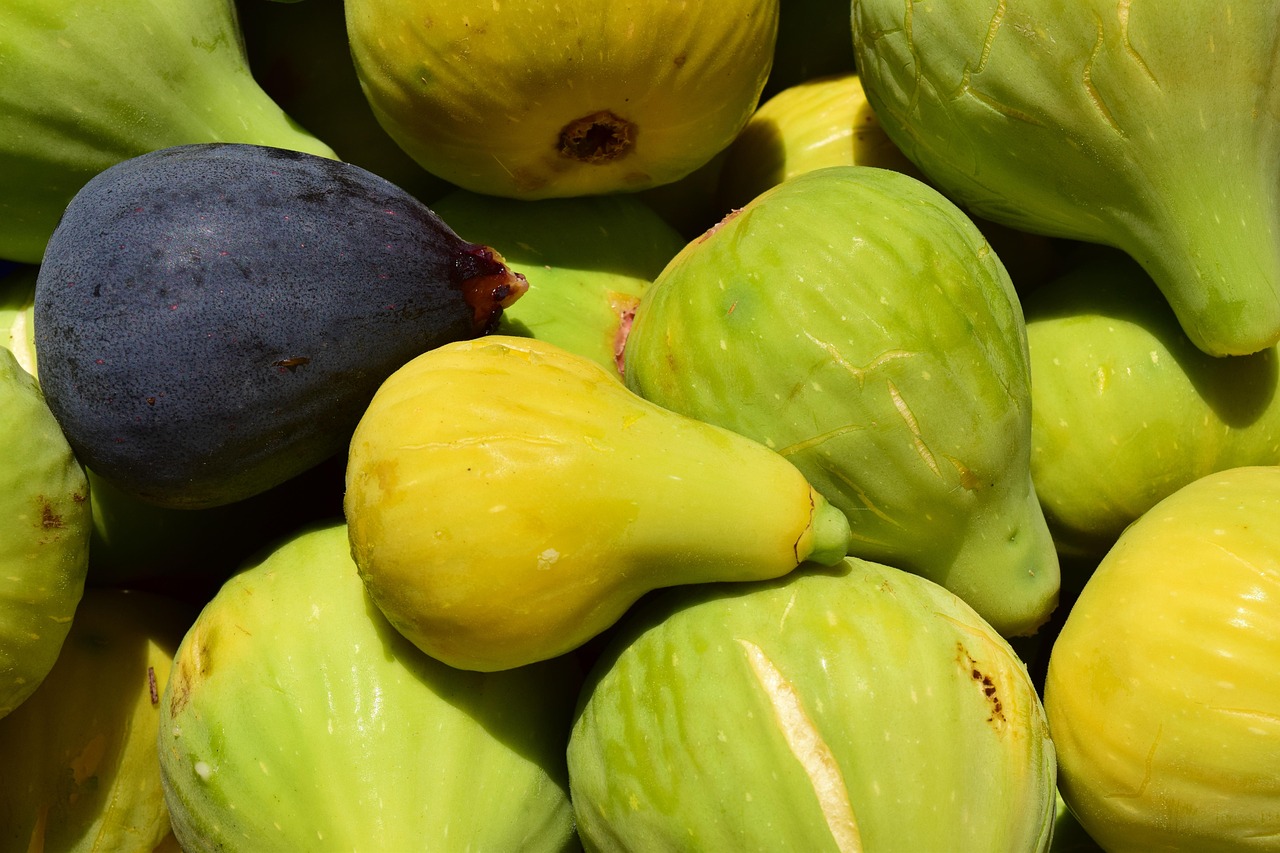
If your meals have felt bland or leave you hungry an hour later, your ingredients might be to blame. Whole, fresh foods think real vegetables, quality proteins, and whole grains tend to be more filling and flavorful. They’re also easier to portion. A grilled chicken thigh and roasted sweet potato will fuel you better than a freezer meal, every time.
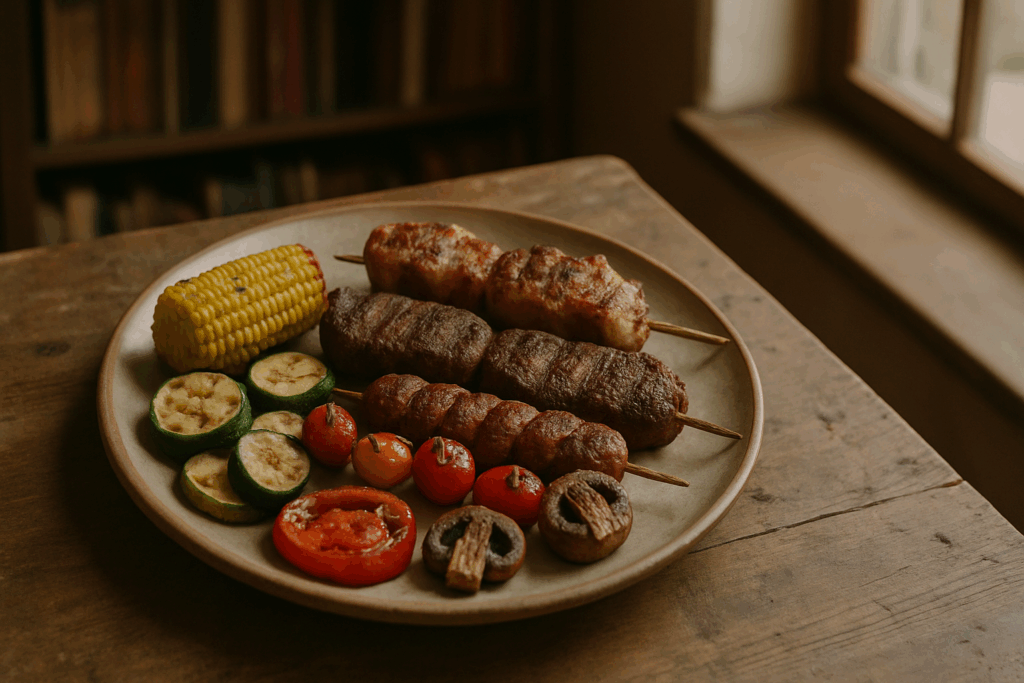
Building a balanced plate doesn’t mean complicated recipes. Use this basic breakdown: a palm sized portion of protein (like tofu or chicken), a fist of starch (quinoa, rice, or potatoes), some fiber rich veggies (greens or broccoli), and a thumb of healthy fat (olive oil, avocado, nuts). This mix keeps you fuller, longer with steady energy and fewer snack binges.
To streamline the process, try this fresh recipe base. It’s a flexible place to start your week’s prep without needing a full cookbook on standby.
And don’t let fresh food go to waste. Store meals in airtight containers, keep dressings separate until serving, and let food cool completely before sealing it up. A few simple habits like these keep your meals safe and actually worth looking forward to.
Common Mistakes to Avoid
Portion control isn’t about playing math games with your meals. If you’re counting calories without considering what those calories are made of, you’re missing the point. A 400 calorie meal of processed snacks won’t fuel you the same way a balanced plate of lean protein, healthy fats, and fiber rich carbs will. Nutritional context matters just as much if not more than the number on the label.
One of the biggest slip ups is cutting out entire macronutrients. Fat and carbs aren’t the enemy. Your body needs both to function, stay energized, and feel full. Skipping them might shrink the number on the scale for a bit, but it’ll also lead to burnout, cravings, and inconsistent eating. Balance beats restriction every time.
Finally, let’s talk batch prep. Going all in on massive portions might seem efficient, but if your meals don’t leave room for flexibility, you’ll hit a wall fast. Cravings change. Schedules shift. If your fridge is packed with five days of the same thing and you can’t stand the sight of it by day three, that prep is doing more harm than good. Plan, yes but leave space to pivot.
Keep Portioning Simple
Portion control doesn’t need to feel like a spreadsheet. The best way to make it work long term is to prep meals you actually enjoy. If you hate boiled chicken and plain rice, stop forcing it. Choose foods you look forward to eating flavor matters just as much as portion size.
Another trick: swap ingredients, not the whole plan. Rotate your proteins (chicken, tofu, salmon), switch up your grains (quinoa, brown rice, couscous), and play with different veggies or sauces. This keeps things fresh without blowing up your system.
And finally, listen to your body. Portion sizes aren’t set in stone. Some days, you’re hungrier. Other days, not as much. Start with a solid base, then adjust based on how you feel after eating. The goal isn’t perfection it’s consistency without burnout.
Useful Resources to Level Up
Sticking to portion control long term isn’t just about discipline it’s about having the right tools and support in place.
Start with this fresh recipe base that’s built for balance. It keeps your macros in check without feeling like a math problem. You get real food, easy prep options, and zero guesswork on what makes a smart portion.
Next, bring in a meal tracking app. No need to log every bite forever, but tools like MacroFactor, MyFitnessPal, or Ate help train your eye. After a few weeks, you’ll start to spot what four ounces of chicken or a half cup of rice actually looks like.
Finally, you don’t have to do this solo. Online communities whether that’s Reddit threads, Facebook groups, or Discord servers offer daily inspiration, recipe tweaks, and the kind of encouragement you don’t always get in real life. Plus, it’s great to see what’s working for others when your own prep starts to feel repetitive or off track.
Small tools. Big impact.
 There is a specific skill involved in explaining something clearly — one that is completely separate from actually knowing the subject. Joycelyn Howellstine has both. They has spent years working with healthy cooking tips in a hands-on capacity, and an equal amount of time figuring out how to translate that experience into writing that people with different backgrounds can actually absorb and use.
Joycelyn tends to approach complex subjects — Healthy Cooking Tips, Culinary Techniques and Tricks, Seasonal and Festive Recipes being good examples — by starting with what the reader already knows, then building outward from there rather than dropping them in the deep end. It sounds like a small thing. In practice it makes a significant difference in whether someone finishes the article or abandons it halfway through. They is also good at knowing when to stop — a surprisingly underrated skill. Some writers bury useful information under so many caveats and qualifications that the point disappears. Joycelyn knows where the point is and gets there without too many detours.
The practical effect of all this is that people who read Joycelyn's work tend to come away actually capable of doing something with it. Not just vaguely informed — actually capable. For a writer working in healthy cooking tips, that is probably the best possible outcome, and it's the standard Joycelyn holds they's own work to.
There is a specific skill involved in explaining something clearly — one that is completely separate from actually knowing the subject. Joycelyn Howellstine has both. They has spent years working with healthy cooking tips in a hands-on capacity, and an equal amount of time figuring out how to translate that experience into writing that people with different backgrounds can actually absorb and use.
Joycelyn tends to approach complex subjects — Healthy Cooking Tips, Culinary Techniques and Tricks, Seasonal and Festive Recipes being good examples — by starting with what the reader already knows, then building outward from there rather than dropping them in the deep end. It sounds like a small thing. In practice it makes a significant difference in whether someone finishes the article or abandons it halfway through. They is also good at knowing when to stop — a surprisingly underrated skill. Some writers bury useful information under so many caveats and qualifications that the point disappears. Joycelyn knows where the point is and gets there without too many detours.
The practical effect of all this is that people who read Joycelyn's work tend to come away actually capable of doing something with it. Not just vaguely informed — actually capable. For a writer working in healthy cooking tips, that is probably the best possible outcome, and it's the standard Joycelyn holds they's own work to.