Why Cutting Back Makes Sense in 2026
You don’t need to pour oil on everything to make it taste good. And at this point, there are some solid reasons to start dialing it back. First off, most refined oils canola, soybean, corn go through heavy processing that strips nutrients and pumps in inflammation driving compounds. Over time, a diet high in these ultra processed oils has been tied to higher rates of heart disease, insulin resistance, and even certain cancers. That’s not scare talk it’s basic biochemistry.
There’s also an environmental cost. Large scale oil production, especially palm and soybean, is a driver of deforestation, biodiversity loss, and greenhouse gas emissions. Cutting back on oil use isn’t just smart for your body it’s a vote for a lighter footprint.
And then there’s cooking. High heat oils get unstable fast, breaking down into compounds that won’t do your health any favors. Instead, more people are leaning into moisture based methods. Think steaming, simmering, or slow braising with liquids you’d actually want to eat broths, tomato bases, or even plain old water. You can still brown and build flavor, but you’re not chasing smoke points or swallowing hidden toxins.
In 2026, cooking with less oil doesn’t mean less flavor. It means more intention. Less default, more skill.
Smarter Cooking Methods that Don’t Rely on Oil
Minimizing oil doesn’t mean minimizing flavor. With the right cooking methods, you can develop rich taste, satisfying textures, and complexity without over relying on fats. Here’s how:
Go To Low Oil Cooking Techniques
Each of these methods allows you to coax out natural flavors from your ingredients without needing to coat them in oil:
Steaming: Locks in moisture and nutrients. Ideal for delicate vegetables, dumplings, and seafood.
Roasting: Brings out natural sweetness and depth, especially when using spices or acidic marinades.
Braising: Slow and steady cooking in flavorful liquids like broth or wine great for plant based proteins and tougher vegetables.
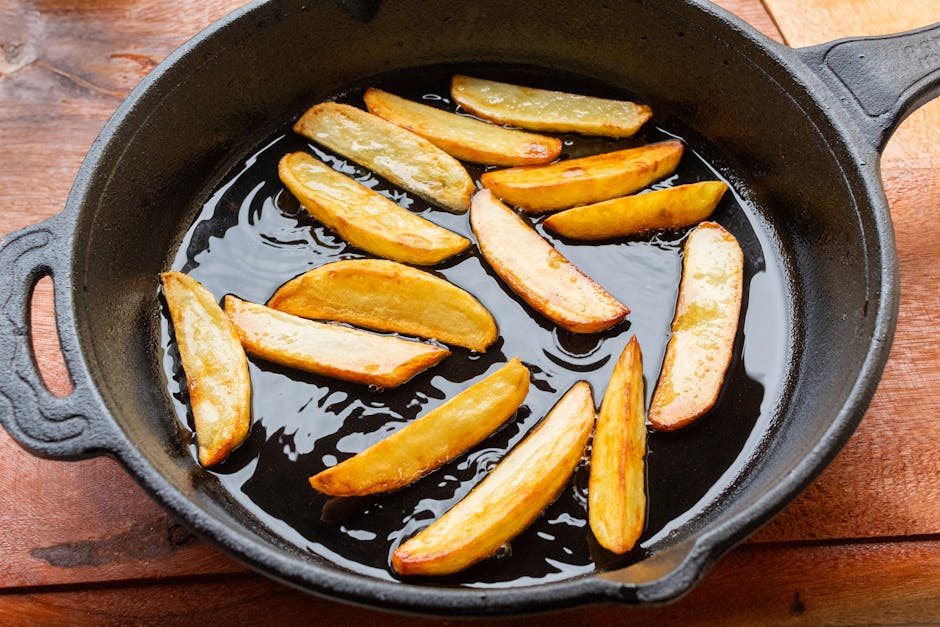
Air frying: Mimics the crispiness of frying with a fraction of the oil. Perfect for potatoes, tofu, and veggie chips.
Layer Flavor Without the Oil
Searing isn’t the only way to boost flavor. Consider these layered approaches instead:
Use aromatics early: Simmer garlic, onion, ginger, or leeks in a bit of water or broth to start building a base.
Combine textures: Mix creamy purées with crunchy toppings or roasted bits for complexity.
Deglaze with intention: Water, vinegar, or citrus juice can help lift browned bits from a pan and create instant sauce.
Learn More: Steaming or Roasting?
Want to dive deeper into how heat impacts nutrition?
Check out this related article: Steaming vs. Roasting: Which Cooking Method Preserves More Nutrients?
Using less oil starts with using smarter strategies and these methods keep flavor front and center.
Ingredients That Punch Above Their Weight
Less oil doesn’t have to mean less flavor if you know what to reach for. The key is finding ingredients that bring depth, brightness, and lift. That starts with umami boosters. Miso, tamari, mushrooms, and sun dried tomatoes all add a savory backbone that holds up without fat. A spoon of white miso in a soup, a dash of tamari in a grain bowl, or sautéed mushrooms in just a splash of broth these pull weight far beyond their size.
Next, acid. It’s not flashy, but it’s what makes a dish pop. Citrus juice, vinegars, and fermented flavors like sauerkraut or kimchi add contrast. They cut through heaviness, amplify brightness, and round out the taste. Use lime on roasted veggies. A splash of sherry vinegar in lentils. Sauerkraut on a grain and bean combo. The point is clarity, not sourness.
Fresh herbs and spices bring the final punch used with purpose, not as garnish. Think cilantro folded into rice right before serving, or cumin bloomed in a dry skillet before adding to soup. Skip the oil; coax flavor with heat and timing. These aren’t supporting players they’re working the spotlight.
Replace, Don’t Remove

The goal isn’t to banish oil altogether it’s to know when you actually need it and when you don’t. In many cases, a splash of broth, a spoonful of yogurt, or a smooth nut purée does the trick better than oil ever could. Sautéing onions? Deglaze with vegetable stock. Making a creamy pasta sauce? Try Greek yogurt or cashew cream. The flavor stays, the grease doesn’t.
Your pan matters too. A good nonstick pan gives you control with almost zero oil. Cast iron adds flavor and holds heat like a champ just learn how to season it right. Ceramic sits somewhere in between: slick surface, no chemical weirdness. Use the right tool, and suddenly your stir fry or omelet doesn’t rely on oil to stay unstuck.
There’s also a shift in thinking: oil as a finishing touch, not a core element. Drizzle a tiny bit of toasted sesame oil to finish a dish not to fry it. Brush olive oil onto roasted vegetables at the end to boost shine and flavor, not as the cooking base. In other words, treat oil like a spice: focused, meaningful, and used with intention.
Recipes That Work Without Heavy Oiling
Oil doesn’t make a stir fry. High heat, smart timing, and a splash of stock or water do the heavy lifting. Stir fries cook fast use a nonstick or well seasoned pan, keep your ingredients dry, and deglaze with broth or even a splash of coconut water just before things stick. You still get that sizzle, just minus the grease.
For oven roasted vegetables that actually crisp, skip the oil drenched approach. Preheat the baking sheet, give your chopped veg plenty of space, and roast at a higher temp 425°F usually does it. A light dusting of seasoning or even a quick steam blanch beforehand can lock in flavor and texture.
As for dressings, ditch the slick. Blending tahini, mashed avocado, or a spoon of grainy mustard with acid (like lemon or vinegar) and a splash of water creates creamy, rich textures without resorting to heavy oils. Adding garlic, herbs, or nutritional yeast layers on flavor. You’ll miss the oil less than you think.
Key Takeaways That Actually Help
Flavor doesn’t start with oil. It starts with technique. Heat and texture do more to wake up your ingredients than a slick of olive oil ever could. Use dry roasting to bring out natural sugars. Sear without oil in a good pan and finish with spices while it’s hot. Toasted cumin or smoked paprika added at the right moment beats a tablespoon of neutral oil any day.
Start with whole, raw ingredients. If your base is a frozen stir fry mix and bottled sauce, oil is doing all the heavy lifting and it shows. Instead, cook aromatics like garlic, shallots, or chilies in a bit of stock or their own moisture. Add acids like lemon or vinegar to brighten. Build fresh, then season bold.
Cutting back on oil also means less splatter, shorter cleanup, and lighter meals that still taste complete. Your gut? Happier. Your pans? Easier to wash. And your palate? Trained to recognize actual flavor without the oil crutch.
Real World Bonus: Make the Shift Stick
Going low oil doesn’t work unless your food still tastes good. That’s where prep and pantry choices come in.
First, batch prep your aromatics. Onions, garlic, ginger these three alone can carry a dish when you’re not leaning on oil for flavor. Chop them up in bulk once or twice a week, store in airtight containers, and boom: instant base for anything from soups to stir fries.
Next: spices. Don’t waste your money on the giant, dusty jars. You want fresh, vibrant stuff that hasn’t been sitting in your cupboard since last election cycle. A few high quality spices like smoked paprika, toasted cumin, or freshly cracked pepper will do more for your cooking than an extra glug of olive oil ever could.
Finally, trust the process. Your tastebuds will catch up. Cut back gradually and you’ll notice cravings change fast less greasy aftertastes, more brightness and depth. Real food starts to taste like something again. It’s not about giving things up. It’s about retraining your brain to enjoy flavor that comes from ingredients, not a coat of oil.