

Why Macronutrient Balance Still Matters in 2026
Protein, carbs, and fats aren’t just buzzwords they’re the core of how your body runs every day. Protein rebuilds muscle, supports your immune system, and keeps you feeling full. Carbs get broken down into glucose, fueling your brain and muscles. Fats? They regulate hormones, help you absorb fat soluble vitamins, and offer long lasting energy. Each macronutrient plays a specific role, and cutting one too much throws things out of sync.
When these macros work in balance, you get more than just stable energy. You support a healthy metabolism, better hormone regulation, and even clearer thinking. Your body doesn’t need perfection it needs rhythm. Meals built with awareness (not obsession) keep your engine running clean without the highs and crashes of diet extremes.
The biggest mistake people make? Going all in on one macro. We’ve seen the high protein fixations, low carb everything, and fat avoidance eras. But going too far in any direction messes with the balance your body actually craves. The key is not about obsessing over numbers it’s about understanding what fuels you, and then eating like you mean it.
What “Balanced” Looks Like on a Plate
Maintaining macronutrient balance doesn’t have to be a science experiment. A few key guidelines can help you build meals that support energy, muscle maintenance, and overall wellness without tracking every bite.
Start With the 40/30/30 Rule
This basic ratio 40% carbs, 30% protein, 30% fat comes up for a reason. It’s a reliable starting point for most people trying to eat for sustained energy and stable blood sugar.
40% Carbohydrates: Think whole grains, fruit, starchy veggies
30% Protein: Lean meats, dairy, legumes, tofu
30% Healthy Fats: Avocados, nuts, seeds, olive oil
You don’t have to be exact with every meal but aiming to keep these macros in relative balance will reduce energy crashes and cravings.
Use Visual Cues Over Calculators
You don’t need to weigh every ingredient to get this right. A quick visual method can simplify mealtime:
Half your plate: Non starchy vegetables (spinach, peppers, zucchini, etc.)
A quarter: Lean protein (chicken, beans, fish, eggs)
A quarter: Quality carbs (quinoa, sweet potato, brown rice)
Add a thumb sized portion of healthy fat (oils, nuts, or avocado)
This method keeps things balanced without overthinking every bite.
Volume Versus Calories
High volume foods like leafy greens, cruciferous vegetables, and broths can fill you up while keeping calorie counts reasonable. The key is choosing nutrient dense ingredients:
Foods that are rich in fiber, protein, and essential fats
Avoiding ultra processed carbs that spike blood sugar
Building meals that feel satisfying and provide real fuel
Eating balanced doesn’t mean every meal needs to be elaborate. Think of macronutrients as a framework, not a restriction.
Real Food, Real Balance: Go To Meal Ideas
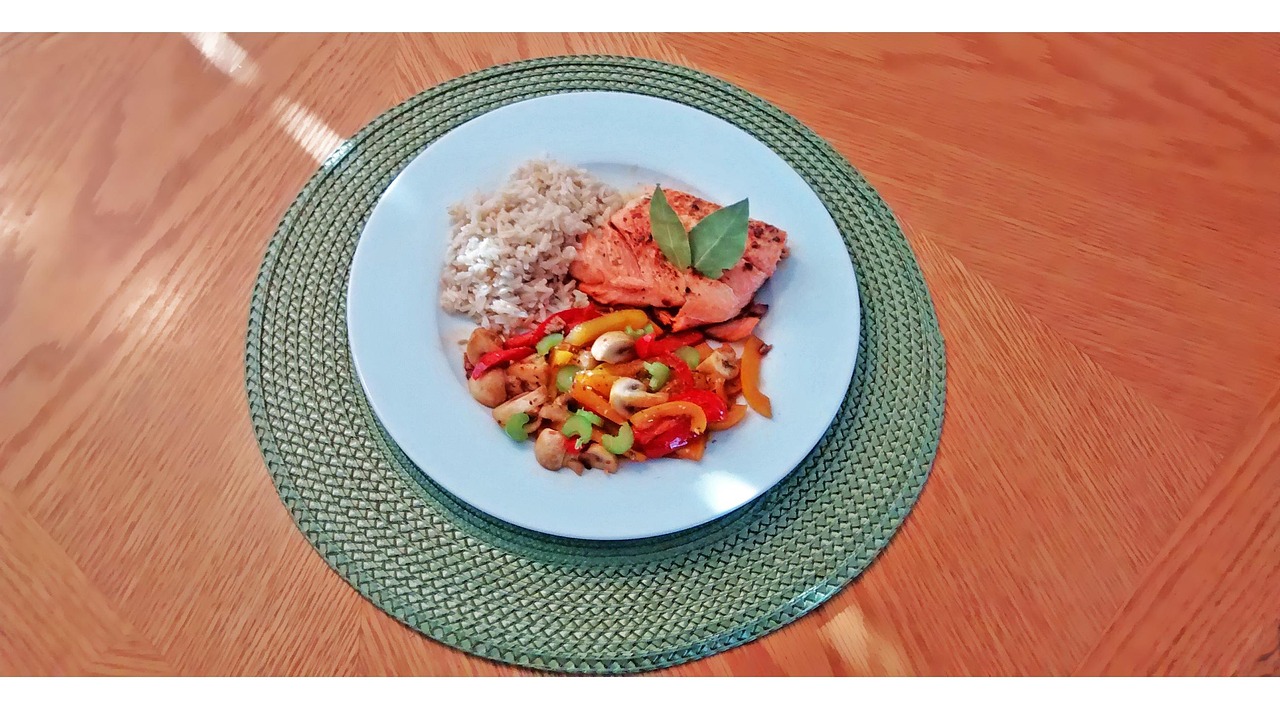
Finding the right balance of protein, carbs, and healthy fats doesn’t have to be complicated. Below are simple, satisfying meals that hit all the right macronutrient notes because fueling your body well should be both intentional and enjoyable.
Breakfast
Start your day with meals that keep you full, focused, and energized:
Option 1: Sweet Start
Greek yogurt (protein)
Fresh berries (carbs)
Ground flaxseeds (healthy fat and fiber)
Rolled oats (slow digesting carbs)
Option 2: Savory & Sustaining
Scrambled eggs (protein and fat)
Sliced avocado (healthy fat)
Sprouted grain toast (complex carbs)
Lunch
Midday meals should offer energy without the crash, supporting both focus and fullness.
Option 1: Balanced & Bright
Grilled chicken breast (lean protein)
Roasted sweet potatoes (complex carbs)
Mixed greens with olive oil vinaigrette (fiber + healthy fat)
Option 2: Plant Powered Bowl
Tri color quinoa (complete protein + carb)
Black beans (plant protein)
Chopped kale (fiber + micronutrients)
Crumbled feta and tahini drizzle (fat + flavor)
Dinner
Evening meals can be hearty without being heavy nutrient rich choices support recovery and restful sleep.
Option 1: Protein Forward Simplicity
Baked salmon (omega 3 rich protein)
Steamed or roasted broccoli (fiber and micronutrients)
Brown rice (complex carbs)
Option 2: Stir Fry with a Twist
Tofu (plant protein)
Whole grain soba noodles (complex carbs)
Mixed stir fried vegetables (volume + nutrients)
Cashews (crunch + healthy fats)
Snacks That Work
Balance doesn’t stop after mealtime snacks are your chance to reinforce good habits and prevent energy slumps.
Option 1: Creamy + Crunchy
Cottage cheese (high protein base)
Pineapple chunks (natural sweetness and carbs)
A handful of almonds (healthy fats)
Option 2: Dip & Scoop
Hummus (fiber + protein from chickpeas)
Carrot sticks (crunchy, low cal veggie)
Whole wheat pita slices (satisfying complex carb)
Smart Swaps That Change the Game
Creating balanced meals doesn’t mean giving up flavor or complexity. With a few strategic ingredient swaps, you can elevate your plate keeping it satisfying, nutritious, and aligned with your macro goals.
Upgrade Without Sacrificing Taste
Healthy eating doesn’t have to feel restrictive. In fact, small adjustments to your go to recipes can result in big nutritional benefits:
Use Greek yogurt instead of sour cream for added protein and a creamy texture
Swap mayo with avocado for healthy fats and a richer flavor
Choose herbs and spices over pre made sauces to reduce sodium and added sugars
These subtle changes preserve taste while improving nutritional value.
Clear Out Hidden Sugars and Refined Carbs
Even meals that appear healthy can hide processed elements. Focus on minimizing common culprits:
Replace white pasta and rice with whole grains like quinoa, farro, or brown rice
Watch for hidden sugars in salad dressings, breads, and condiments
Swap store bought granola for homemade versions made with oats, nuts, and a touch of honey or maple syrup
Boosting fiber, reducing sugar, and cutting excess processing makes meals more satiating and metabolically friendly.
Resource: Ingredient Swaps That Work
If you’re ready to rework your grocery list, check out this helpful guide packed with practical substitutions:
Healthy Ingredient Swaps That Make a Big Difference
It’s not about an overhaul it’s about being intentional. When you know what to look for, creating balance becomes second nature.
Closing the Gap: Small Fixes for Big Results
Here’s the reality: not every meal will hit that golden 40/30/30 macro split and that’s perfectly fine. Your body responds to patterns, not perfection. One off kilter lunch doesn’t erase a week of solid eating. Think in terms of trends, not isolated meals. If your average day leans balanced, you’re doing it right.
Consistency matters more than precision. It’s better to eat mostly real, balanced meals five days a week than to obsess over every gram and burn out by Thursday. Progress thrives under sustainable effort, not pressure.
If you’re just starting to pay attention to macros, keep it simple. Use tools like MyFitnessPal or Cronometer to get a rough sense of what you’re eating but don’t fall into the trap of micromanaging. Over time, your eyes and habits will do the tracking for you. Plate variety, use your hand as a portion guide, and aim for meals that feel satisfying rather than “perfect.”
Bottom line: better beats best. Show up, eat real food, and build momentum one bite at a time.
Staying Flexible in a Trendy Food World
Fad Diets vs. Long Term Balance
The nutrition landscape in 2026 is more diverse and more confusing than ever. Intermittent fasting, low carb programs, and high protein regimens continue to crowd the conversation. While some of these trends offer short term results, they’re not one size fits all and often aren’t sustainable.
Popular Approaches to Watch:
Intermittent Fasting: Can support metabolism and discipline, but not ideal for everyone
Low Carb Diets: May help reduce cravings temporarily but can leave you energy depleted if not balanced thoughtfully
High Protein Plans: Great for muscle growth and satiety, but not long term if fats and carbs are ignored
Instead of chasing extremes, more people are rediscovering the power of balanced eating choosing meals that meet their body’s needs while supporting overall health, nutrition, and satisfaction.
Tune Out the Noise, Tune Into Your Body
With constant social media chatter promoting quick fixes, it’s easy to doubt your own instincts. But data shows that the best diet is the one you can stick with.
How to listen to your body:
Take note of how foods affect your energy and mood
Track hunger patterns without obsessing over every bite
Make room for flexibility: some days you’ll eat more protein, others more carbs and that’s normal
Your body gives feedback. Learn to hear it over the noise of the latest food trend.
The Balanced Approach Isn’t Outdated It’s Just Smarter Now
The core principles of macronutrient balance haven’t changed, but how we apply them in real life has. In 2026, smart eaters are:
Using tech tools to track, but not obsess
Choosing whole foods over gimmicky supplements
Prioritizing flexibility and enjoyment alongside nutrition
Macronutrient balance isn’t just “still relevant” it’s become more practical, personalized, and adaptable than ever before.
Finding your rhythm with protein, carbs, and fats is what keeps progress sustainable. That’s not a trend it’s a lifestyle.