Start with a Realistic Weekly Plan
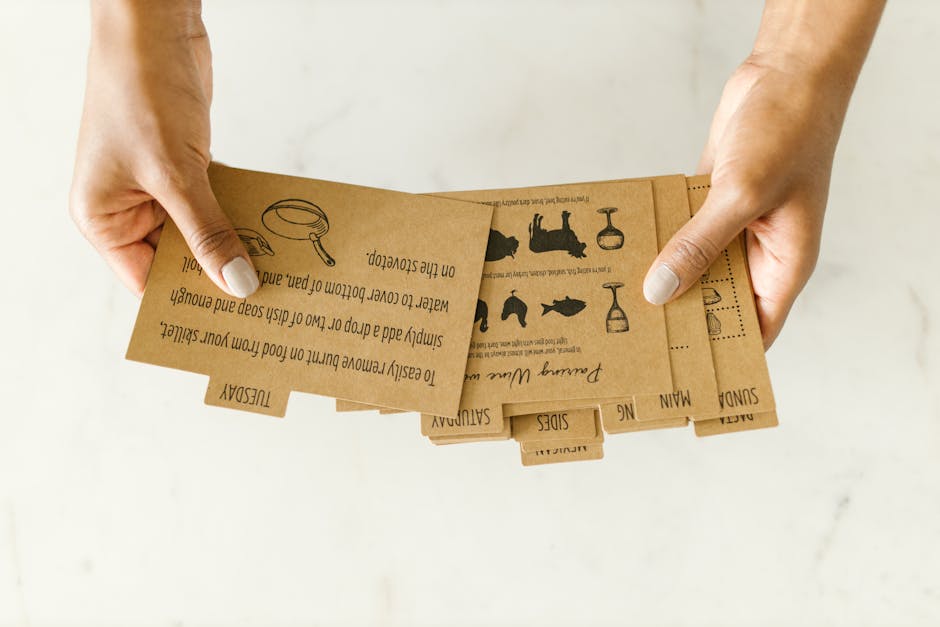
You don’t need the perfect meal plan you need one that actually works with your life. A plan that demands more energy, time, or ingredients than you realistically have is a plan that ends up in the trash. Instead, focus on meals you can make when you’re tired, distracted, or stretched thin. Think 20 minute dinners, one pan meals, or stuff you can set and forget in a slow cooker.
Build your week around what you know you’ll follow through on. Then add 2 3 backup dinners to keep in your back pocket for chaos nights (and yes, they will happen). That could be frozen dumplings, a rotisserie chicken you transform three ways, or a canned soup and grilled cheese situation.
Planning smart isn’t about being perfect. It’s about being ready. Here’s how to build a plan that sticks.
Shop Your Kitchen First
Before you start drafting your grocery list, hit pause and check what’s already sitting in your fridge, freezer, and pantry. Sounds basic, but most people skip this step and that’s how you end up with three open bags of rice and wilted produce you meant to use last week.
Start with a 5 minute scan. What’s about to expire? What do you keep overlooking? That half used container of broth or the oversized bag of spinach? Build your weekly meals around those. It trims your list and your waste.
A simple trick that works: create a “use this first” bin in the fridge or on a pantry shelf. Doesn’t need to be fancy just a basket or a clear container where you toss items that should take priority. It turns kitchen clutter into front of mind ingredients.
Planning what to buy starts with knowing what not to. This one habit keeps your meals interesting and your budget sane.
Build a Smarter List, Fast
A well organized grocery list doesn’t just save time it prevents forgotten ingredients and overspending. Here’s how to streamline your list building process so your trip to the store works for you, not against you.
Categorize for Clarity
Breaking your list into simple categories helps you stay focused and reduces the urge to impulse buy. Work with sections like:
Produce
Proteins (meat, seafood, tofu, eggs)
Pantry staples (spices, grains, canned goods)
Dairy & refrigerated
Frozen items
Household items (cleaners, paper goods, etc.)
Organizing this way simplifies your list and your shopping cart.
Make It a Habit, Not a Hurdle
Don’t rely on memory. Set aside 10 15 minutes at the start of your week to write your list:
Use a notes app or dedicated grocery planner
Sync with your meal plan so nothing gets missed
Share the list digitally with family if they pick up groceries, too
Use the Store Layout to Your Advantage
If you always shop at the same grocery store, take note of how it’s arranged.
Group your list by store aisle to save time and reduce backtracking
Stick to the order you walk the store for a more efficient trip
Avoid sections you don’t need less temptation means less waste
A list that’s clear, categorized, and customized to your shopping routine is one of the easiest ways to take back time and control in your week.
Embrace Theme Nights

Theme nights like “Meatless Monday,” “Taco Tuesday,” or “Leftover Fridays” aren’t just cute they’re practical. By assigning a theme to each night of the week, you cut down on the endless “what’s for dinner?” loop. That’s decision fatigue, and it’s real. A predictable schedule helps you zero in on what to buy and cook, making shopping simpler and faster.
It’s also a secret weapon for planning. Know it’s Tuesday? Grab tortillas, beans, and toppings done. Leftover Friday? No new ingredients needed. Having even a few themed nights in rotation keeps things running smoother, especially during hectic weeks. Bonus: the rest of your meals don’t have to be gourmet masterpieces. With a base structure in place, planning the rest feels way lighter.
Shop Once, Win All Week
One trip a week. That’s the goal. It cuts down on wasted time, gas, and the temptation to grab that extra box of cookies you didn’t plan for. Going to the store twice usually means spending more and sticking to your plan less. Fewer trips = fewer chances for impulse buys.
Speaking of sticking to plans your list is the backbone. Don’t walk into the store thinking you’ll figure it out as you go. You won’t. That’s how random snacks land in your cart and dinners fall apart midweek. Write your list, follow your list, and make sure it matches what you actually intend to cook.
Finally, stock up smart. Bulk basics like rice, pasta, canned beans, and frozen veggies give you options when plans shift. They don’t go bad quickly, and they’re cheaper in the long run. Freezer friendly staples (think marinara, shredded cheese, chicken thighs) are weeknight lifesavers. Treat your pantry and freezer like backups for future you they’ll pay off when you most need them.
Watch for 2026 Trends and Pitfalls
As grocery technology and pricing trends evolve, smart shoppers need to stay one step ahead. Knowing what’s new and what to watch out for can make all the difference when you’re trying to stick to your meal plan and budget.
Smarter Shopping Tech
The future of grocery shopping is hands on and high tech:
Smart cart technology: More stores are rolling out carts that scan items as you shop, track your total in real time, and even suggest deals based on your list.
Scan as you go apps: These allow you to skip the checkout line entirely in some locations, saving valuable time.
Tip: Use these innovations to track your budget live, but don’t let flashy interfaces tempt you into impulse buys.
Inflation Proof Grocery Hacks
Rising food costs are here to stay, but there are reliable ways to stretch your dollars:
Go for store brand alternatives: Many offer the same quality for less.
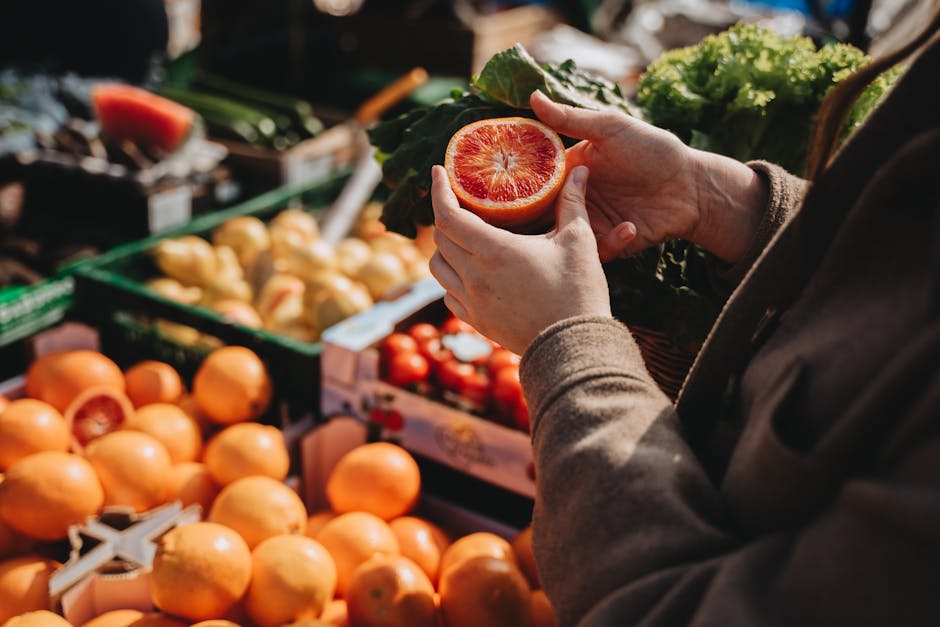
Buy seasonal produce: It’s fresher, cheaper, and helps the meal plan stay varied.
Limit pre packaged or single serve items: Buying in bulk and portioning at home cuts cost over time.
The Pitfalls of “Good Deals”
Not all promotions lead to real savings. In fact, they can derail your plan and increase waste:
BOGO traps: Buy one get one free sounds great until you realize you won’t use both.
Oversized bulk items: Only bulk up on foods you’ll actually finish or store properly.
Discounts on specialty items: If it’s not in your meal plan, it might just take up space in your pantry.
Strategy first, savings second. A good deal is only good if it fits your plan.
Staying alert to trends and traps means fewer wasted groceries, smarter spending, and a more efficient approach to your weekly shop.
Make It Stick
If you’ve found a meal plan that works, stop reinventing the wheel. Reuse it. Rotate between a few go to weeks instead of building one from scratch every Sunday night. You’re not aiming for gourmet innovation you’re maintaining a system that feeds you without draining you.
Saving digital copies of your grocery lists is a game changer. Keep them in your notes app, spreadsheet, or use a meal planning app whatever’s fastest. When the week kicks off, just pull one up, tweak if needed, and you’re already halfway done.
This isn’t just meal planning it’s system building. Treat it like any other process that needs upkeep. The payoff? Less stress, fewer last minute takeout runs, and better control over what lands in your cart. Small habit, big return.