What Happens to Nutrients When You Cook?
Cooking affects the nutrient profile of food in various ways. Heat, moisture, and cooking time all play roles in how vitamins and minerals behave. Understanding these effects can help you make better choices in the kitchen.
Different Nutrients, Different Reactions
Not all nutrients react to heat the same way. Some are more fragile, while others hold their ground during cooking.
Water Soluble Vitamins
These nutrients are particularly sensitive to heat and water:
Vitamin C One of the most heat sensitive nutrients. It’s easily lost during boiling or high heat roasting.
B complex vitamins Including folate, thiamine, and riboflavin, which can leach out into water or break down with heat.
Water based cooking methods like boiling can cause major reductions in these vitamins, especially if cooking water is discarded.
Fat Soluble Vitamins
These vitamins are more resilient and often become more bioavailable with cooking:
Vitamins A, D, E, and K They tend to withstand heat better and may even be absorbed more efficiently when cooked with healthy fats.
Minerals: More Stable, but Still Affected
Unlike vitamins, most minerals (like potassium, magnesium, and calcium) are heat stable. However, their loss often depends on the cooking medium:
Boiling can cause minerals to leach into water, particularly from vegetables.
Dry heat methods (like roasting or grilling) retain more minerals due to minimal water exposure.
Key Takeaway
Cooking doesn’t necessarily destroy nutrients it reshuffles them. The trick is understanding which nutrients you want to preserve and choosing the method that matches your goal.
Steaming: Gentle, Hydrating, and Nutrient Friendly
If you’re looking to keep more of what makes vegetables actually good for you, steaming is your best ally. This method works without direct contact with cooking fats or the high, dry heat that tends to break nutrients down. That gentle, moist environment is easier on the fragile compounds that do heavy lifting for your health.
Take antioxidants steaming helps preserve these cellular defenders by avoiding the oxidative stress that comes with aggressive cooking. You’ll also hang on to more Vitamin C, folate, and glucosinolates, especially in cruciferous vegetables like broccoli and Brussels sprouts. High heat roasting might make those veggies crisp up nicely, but it also knocks out some of what makes them worth eating in the first place.
Spinach, carrots, kale, and cauliflower all benefit from steaming. The structure of these veggies holds up, and their nutritional wallop stays intact. It’s simple science less heat, less damage. If maxing out the health benefits in your produce is the goal, then reach for the steamer basket before you fire up the oven.
Roasting: Flavor Boosting, but at a Cost?
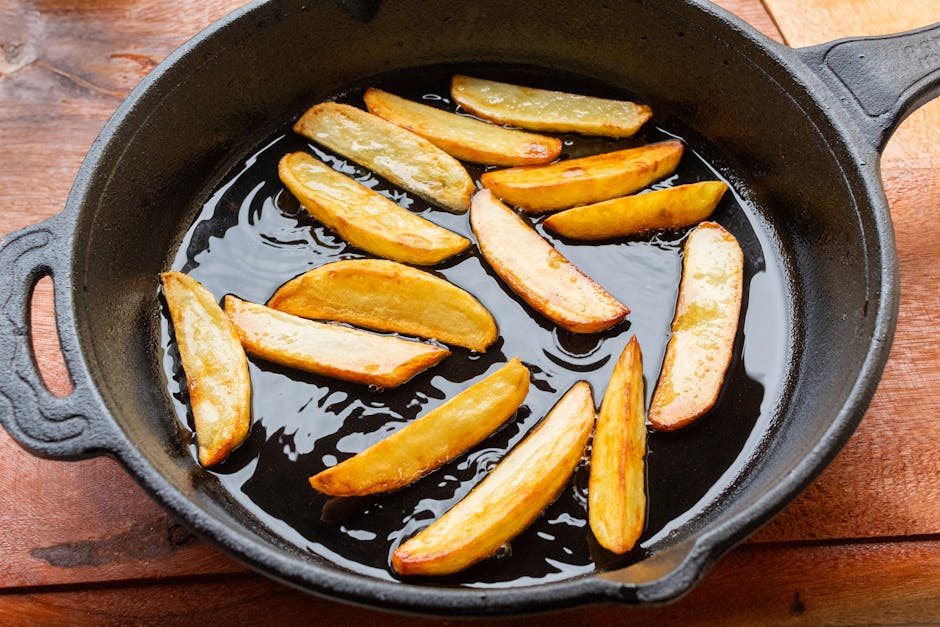
Roasting takes vegetables to a different level. Dry heat caramelizes their natural sugars, pulling out richer flavors and leaving crisp edges that steaming just can’t match. It’s the go to for making things taste better full stop.
But there’s a trade off. Some heat sensitive nutrients, like vitamin C and certain B vitamins, can take a hit during high temp roasting. The good news? Minerals like potassium, magnesium, and iron hold their ground, and fiber stays largely intact. Roasting doesn’t leach nutrients into water like boiling does, and that works in your favor.
Add a splash of olive oil, and it gets more interesting. The fat helps your body soak up fat soluble vitamins like A, D, E, and K, especially in veggies like carrots, sweet potatoes, or kale. This kind of nutrient accessibility often called bioavailability is what turns a good dish into something your body actually benefits from.
So yes, flavor comes with a slight nutritional cost. But when done right, roasting can strike a smart balance: good taste, decent retention, and better absorption.
Nutrient Preservation: The Verdict
When it comes to preserving vitamins while still keeping food enjoyable to eat, no single method wins outright but steaming gets pretty close. This gentle cooking process avoids high temperatures and direct contact with fats, making it the go to method for protecting fragile nutrients like Vitamin C and folate. If you’re cooking something green, leafy, or quick to wilt steam it.
But taste matters too. Roasting won’t win any awards for retaining water soluble vitamins, but it gives you flavor, texture, and, in some cases, better nutrient absorption. Roasting vegetables with a splash of healthy fat (think extra virgin olive oil or avocado oil) can actually enhance the uptake of fat soluble vitamins like A, D, E, and K. In other words, you lose a bit, but gain differently.
The smartest approach? Mix it up. Try a combo: steam first to lock in nutrients, then roast briefly to get those caramelized edges. Or simply roast at a slightly lower heat to strike a middle ground.
Also, don’t forget what you cook with matters. Ditch the processed oils. Use clean, stable fats that work with your food instead of against it. With smart technique and the right ingredients, you’re not choosing between health and flavor you’re getting both.
Tip: Don’t Forget Seasoning for Nutrient Enhancement
Seasoning isn’t just about taste it’s a quiet powerhouse in supporting your health, especially your immune system. Certain herbs and spices come loaded with bioactive compounds that help the body fend off everything from inflammation to infection. The best part? They’re easy to work into your daily meals.
Take garlic. It’s packed with allicin, known for antimicrobial and immune stimulating properties. Then there’s turmeric, a go to for its curcumin content, which keeps inflammation in check. Ginger helps calm the gut and supports immune signaling. Even less flashy players like oregano and thyme punch above their weight with antibacterial and antioxidant effects.
The key is consistency. A sprinkle here, a stir in there build these ingredients into your baseline meals and you’ll build long term benefits. For a closer look at the top immune supporting spices and how to use them, check out Top 5 Herbs and Spices That Support Immune Health.
Final Thought: Method Depends on What You’re Cooking
There isn’t one cooking method to rule them all only the right method for what you’re after. Want to keep your Vitamin C intact? Go with steaming. Trying to boost absorption of fat soluble vitamins? Roasting with olive oil has your back. It’s not just about temperature; it’s about intent.
Smart cooking in 2026 means knowing what your ingredients need. Pair methods for balance steam then lightly roast, or flash roast at lower heat. Spice matters too. A sprinkle of turmeric or oregano can elevate not just flavor, but functionality. Antioxidants, anti inflammatories, even digestion support seasoning brings more than taste to the table.
Bottom line: your kitchen isn’t just a place for food. It’s a tool for health. So cook like it. Ditch the default settings and start thinking nutrient first.
 There is a specific skill involved in explaining something clearly — one that is completely separate from actually knowing the subject. Joycelyn Howellstine has both. They has spent years working with healthy cooking tips in a hands-on capacity, and an equal amount of time figuring out how to translate that experience into writing that people with different backgrounds can actually absorb and use.
Joycelyn tends to approach complex subjects — Healthy Cooking Tips, Culinary Techniques and Tricks, Seasonal and Festive Recipes being good examples — by starting with what the reader already knows, then building outward from there rather than dropping them in the deep end. It sounds like a small thing. In practice it makes a significant difference in whether someone finishes the article or abandons it halfway through. They is also good at knowing when to stop — a surprisingly underrated skill. Some writers bury useful information under so many caveats and qualifications that the point disappears. Joycelyn knows where the point is and gets there without too many detours.
The practical effect of all this is that people who read Joycelyn's work tend to come away actually capable of doing something with it. Not just vaguely informed — actually capable. For a writer working in healthy cooking tips, that is probably the best possible outcome, and it's the standard Joycelyn holds they's own work to.
There is a specific skill involved in explaining something clearly — one that is completely separate from actually knowing the subject. Joycelyn Howellstine has both. They has spent years working with healthy cooking tips in a hands-on capacity, and an equal amount of time figuring out how to translate that experience into writing that people with different backgrounds can actually absorb and use.
Joycelyn tends to approach complex subjects — Healthy Cooking Tips, Culinary Techniques and Tricks, Seasonal and Festive Recipes being good examples — by starting with what the reader already knows, then building outward from there rather than dropping them in the deep end. It sounds like a small thing. In practice it makes a significant difference in whether someone finishes the article or abandons it halfway through. They is also good at knowing when to stop — a surprisingly underrated skill. Some writers bury useful information under so many caveats and qualifications that the point disappears. Joycelyn knows where the point is and gets there without too many detours.
The practical effect of all this is that people who read Joycelyn's work tend to come away actually capable of doing something with it. Not just vaguely informed — actually capable. For a writer working in healthy cooking tips, that is probably the best possible outcome, and it's the standard Joycelyn holds they's own work to.