Why Immune Support Still Matters in 2026
Modern life isn’t dialing down. Between urban air pollution, processed food stressors, and digital burnout that never lets up, our bodies are dealing with more background stress than ever. Toss in cold seasons, viral waves, and erratic sleep patterns, and it’s clear: immune resilience is no longer a winter only concern. It’s daily upkeep.
That’s why adaptogens and mild immune boosters are becoming staples, not supplements. Herbs like ashwagandha, reishi, and elderberry are creeping into teas, broths, and smoothies not just when we’re sick, but as part of prevention. They’re not magic bullets, but they help regulate the body’s stress response and keep inflammation in check.
Just as important, these herbs and spices don’t work in a vacuum. Whole foods especially those with fiber, healthy fats, and clean proteins create the perfect environment for immune friendly compounds to do their job. Think less pop a pill, more fortify your plate. When turmeric meets lentils, or garlic simmers in olive oil, their natural bioactives become more available and impactful. It’s synergy and your immune system likes that.
Turmeric
Turmeric is more than just a vibrant yellow spice it’s a natural powerhouse backed by science. Its primary active compound, curcumin, provides a wide range of benefits that make it a go to ingredient for immune health.
Curcumin: The Active Compound
Acts as a strong anti inflammatory and antioxidant agent
Helps neutralize free radicals and reduce oxidative stress across cells
Supports overall immune modulation by regulating immune cell function
Gut and Immune Connection
Curcumin plays a key role in gut health, which is closely linked to immune function
A healthy gut helps regulate inflammation and supports better nutrient absorption
Boosting Absorption with Black Pepper
Curcumin on its own is poorly absorbed by the body
Combine it with black pepper extract (piperine) to enhance bioavailability by up to 2000%
Many spice blends or recipes naturally pair these ingredients for this reason
How to Add Turmeric to Your Routine
Sprinkle into soups, stews, and rice dishes for an earthy flavor
Make a warming golden milk latte with turmeric, black pepper, and your milk of choice
Add to smoothie blends or savory sauces for a daily immune boost
Turmeric is most effective when used consistently and in whole or minimally processed form. Whether in cooking or beverages, it’s a simple addition with long term benefits.
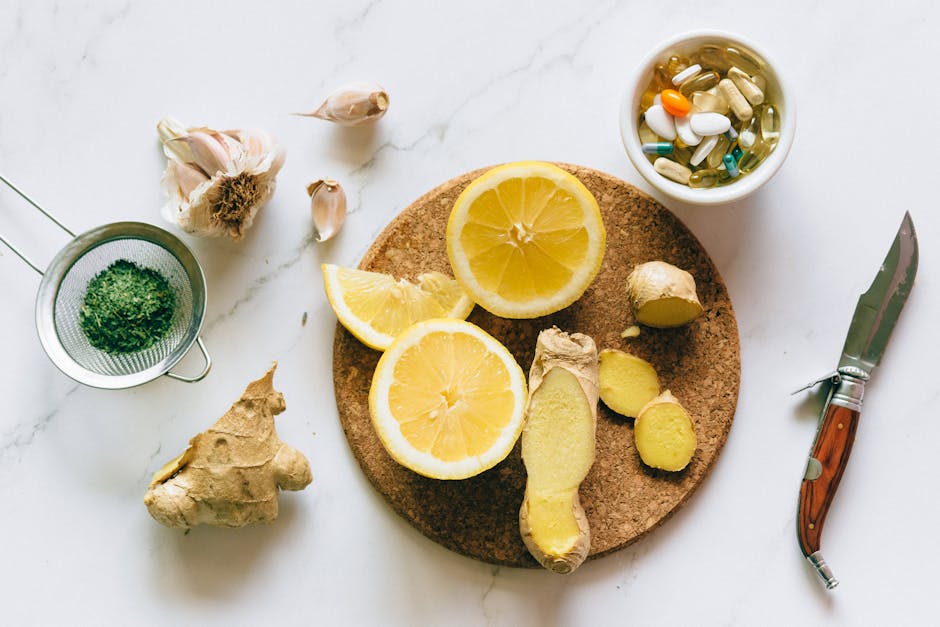
Ginger
Ginger isn’t just a kitchen staple it’s a scientifically recognized immune supporting spice with a long history of use in both traditional and modern medicine.
Why Ginger Supports Immunity
Ginger’s compounds activate the immune system and help reduce inflammation, making it an ideal herb during vulnerable times such as seasonal transitions or outbreaks of cold and flu.
Immune Activation: Stimulates immune response by enhancing white blood cell activity.
Reduces Oxidative Stress: Antioxidants in ginger combat free radicals that weaken the immune system.
Antiviral & Antimicrobial: Contains natural properties that help fight infections by inhibiting the growth of pathogens.
Anti Inflammatory Benefits: Helps relieve inflammation, especially in the throat, sinuses, and airways.
How to Use Ginger Daily
Ginger is versatile and easy to incorporate into both sweet and savory dishes:
Add fresh slices to herbal teas for a soothing immune boosting drink.
Blend into smoothies for a spicy kick and anti inflammatory benefits.
Grate into stir fries, soups, or marinades for warmth and depth of flavor.
For optimal impact, use ginger fresh rather than powdered, as it retains more of its functional compounds.
Garlic
Garlic earns its reputation as a heavy hitter in the immune world thanks to one compound: allicin. This sulfur containing molecule activates and enhances immune cell function, helping your body respond faster to invading pathogens.
Multiple studies link garlic to both the prevention and shorter duration of illnesses like colds and mild infections. It doesn’t just blunt the blow it helps your system get back on track quicker. Plus, it’s incredibly versatile: you can eat it raw for the strongest kick (go easy it’s potent), or toss it into a stir fry or soup without killing off all its benefit. Allicin holds up better than most expect, especially if garlic is crushed and allowed to sit for a few minutes before cooking.
And here’s a bonus: garlic is just as good for your heart. It supports healthy blood pressure and cholesterol levels another reason to make it a kitchen constant.
Oregano

Oregano doesn’t just belong in your pizza sauce it’s one of the most potent natural antimicrobials out there. Loaded with carvacrol and thymol, this herb helps block the growth of certain bacteria and viruses. Both compounds break down cell membranes of harmful microbes, making oregano a smart choice during cold or flu season.
The best part? You don’t need much. Dried oregano in your pasta, a few drops of oregano oil in warm water, or a pinch stirred into a vinaigrette can go a long way. Even a simple herbal tea brewed with the leaves has enough punch to add immune support to your routine. Minimal effort, maximum impact.
Echinacea
Echinacea has earned its spot on the shelf for one big reason it’s one of the most trusted herbs when it comes to staving off colds and shortening their stay. Found in many over the counter supplements, it’s typically used at the first sign of symptoms to give your immune system a nudge. Studies show that Echinacea can stimulate white blood cell production, the frontline soldiers of your body’s defense system, especially in the earliest phases of illness.
But more isn’t always better. Daily, long term use can lessen its effectiveness. Echinacea works best when taken cyclically start it when exposure risk is high or symptoms begin, then scale back. Think of it like a booster shot rather than a daily driver.
Tea, tincture, capsules there are plenty of options. Just skip the daily routine unless you’re on a focused short term protocol.
Balancing Your Diet for Stronger Immunity
Herbs and spices can do a lot but they’re not magic on their own. To really support your immune system, pairing them with a balanced, whole food diet matters more than most people think. Think less about isolated ingredients and more about the bigger picture what else is on your plate?
Protein, carbs, and healthy fats help regulate immune response, hormone levels, and gut health all key players in your body’s defense system. If you’re loading up on turmeric or ginger but running on ultra processed snacks, you’re not getting the full benefit. Immunity starts with the basics: stable blood sugar, nutrient absorption, and steady energy levels. Herbs and spices are accelerators not stand alone solutions.
Want to get the most out of immune supporting ingredients? Start by getting your macros in check. Here are some Meal Ideas That Balance Protein, Carbs, and Fats to help you work smarter, not harder.
Key Takeaways
You don’t need an elaborate supplement stack to support your immune system. Most of what you need might already be in your kitchen. Garlic, turmeric, ginger these aren’t just flavor bombs. They pack a therapeutic punch backed by research and generations of traditional use. When used consistently and in the right amounts, they support your body’s natural defenses without the cost or confusion of synthetic fixes.
But it’s not just about taking one spoonful of powdered spice and calling it a day. Dosage matters. Variety matters. The body responds best to steady, diverse input. Mix it up. Use fresh when possible. Powders are convenient, but whole forms maintain more nutrients, essential oils, and bio active compounds. Getting immune support from food means being thoughtful not maximalist. Quality ingredients, used regularly, will do more than a one off mega dose ever will.