Why Meal Prep Still Wins in 2026
Food prices aren’t easing up. Grocery trips cost more than they used to, and that quick stop for takeout? It adds up fast. In a world where inflation is hitting dinner plates, meal prep remains one of the most reliable, practical ways to keep food costs in check without sacrificing taste, nutrition, or time.
At its core, meal prep is about control. It helps you buy only what you need, stretch ingredients across multiple meals, and avoid waste. Instead of scrambling for food after work and defaulting to $18 delivery, you’ve got solid meals ready to go. It reduces the mental drag of daily decision making and keeps your nutritional habits steady without needing another app, wearable, or monthly subscription.
This isn’t about eating bland chicken and rice five days a week. It’s about creating a loop that works cook smart in a few hours, eat cleaner and cheaper the rest of the week, and repeat. In 2026, that kind of loop is more valuable than ever.
Start with Smart Grocery Strategy
Creating a sustainable, budget friendly meal prep routine starts at the grocery store. It’s not just about buying in bulk or choosing the cheapest option it’s about shopping with a plan that flexes week to week.
Plan Your Meals Around Weekly Deals
Check your local supermarket flyers or apps before you start planning your meals. Base your menu on what’s on sale that week especially when it comes to proteins, fresh produce, and pantry staples.
Tips:
Shop on the day your store restocks or discounts older items.
Prioritize sale proteins like chicken thighs, ground turkey, or bulk tofu.
Buy in season vegetables for better prices and freshness.
Build a Repeatable Grocery List
Simplify your meal prep with 3 5 go to meals that use overlapping ingredients. This makes your grocery trips faster and minimizes waste.
Example Meal Components:
Grains: Brown rice, couscous, whole wheat pasta
Protein: Canned beans, eggs, ground meat
Veg: Frozen spinach, carrots, bell peppers
Rotate variations of these meals weekly, and you’ll never need to start from scratch.
Batch Buy Proteins (But Balance the Perishables)
Proteins often offer the best value when bought in bulk, but that doesn’t mean you should overbuy fresh produce that spoils quickly. Keep a balance:
Smart shopping ratios:
Buy bulk proteins and freeze portions for future preps
Aim for half frozen, half fresh in your veggie mix
Choose pantry safe fillers like lentils, chickpeas, or canned tomatoes to stretch meals
Bonus Resource
Want more tips on planning smarter shopping trips? Check out this helpful guide: Smart Grocery Shopping Strategies for Easier Meal Planning
Master the Prep No Chef Skills Needed
You don’t need a Michelin apron to meal prep. You need one solid hour on Sunday, a skillet that isn’t warped, and a game plan. The sweet spot? Cook three proteins, two grains, and a couple sauces all in one go. Chicken thighs, lentils, or tofu cover protein. Rice and quinoa cook on autopilot while you prep sauces maybe a spicy peanut, a garlicky tahini, or a herby yogurt mix.
This is where tools earn their keep. A rice cooker buys you back time. Sheet pans mean fewer dishes. A decent set of storage containers helps everything stay edible not mushy by Friday. If you’ve got an Instant Pot or air fryer, even better. One hour prep turns into nearly a week of meals.
Stick to budget hardy staples. Lentils simmer with zero drama. Pasta fills you up when the fridge is looking sad. Eggs go from breakfast to rice bowls without batting an eye. And never underestimate canned goods beans, tomatoes, even corn. Cheap, shelf stable, and quietly heroic.
The point isn’t perfection. It’s reliability. Get your base ingredients prepped, mix and match through the week, and skip the mental gymnastics of asking “what’s for dinner?” while already hungry.
Recipes That Stretch Your Dollar
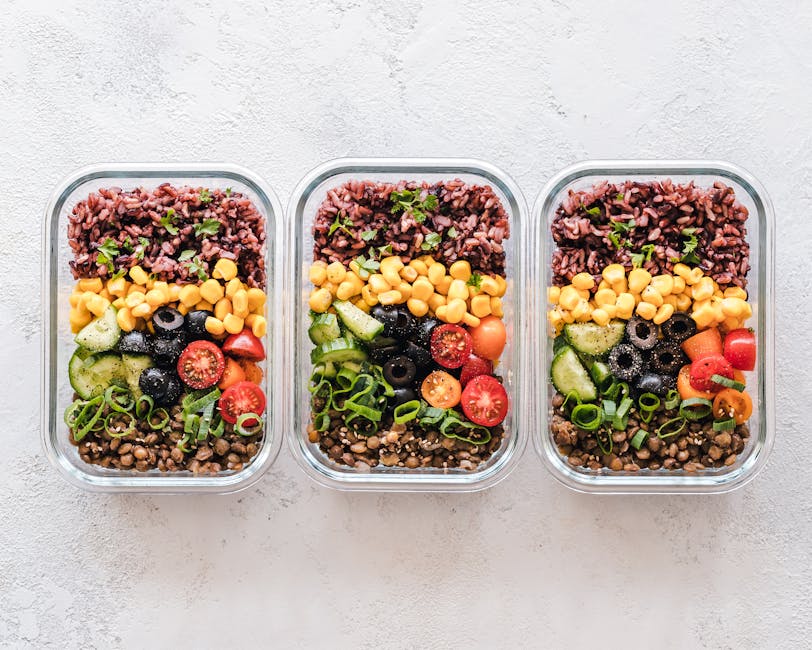
Budget meal prep isn’t about eating bland or boring it’s about getting the most from every ingredient. Mix and match bowls are your best ally here. Start with a base: rice, quinoa, or even roasted potatoes. Add whatever veg you have, fresh or frozen. Top with a protein think beans, eggs, tofu, or leftover chicken and finish with a DIY sauce like tahini lemon, soy ginger, or a yogurt based drizzle. With four to five simple parts, you can cycle through endless combinations without spending extra.
Next: cook once, eat four times. That’s the appeal of freezer ready meals. Think stews packed with beans and root veggies, casseroles that stretch one pound of meat into a week’s worth of portions, or burrito wraps stuffed with rice, sautéed greens and a little cheese. Freeze in single servings. Thank yourself later.
When it comes to snacks, skip the fancy packaging and go for homemade. Roasted chickpeas give you crunch and protein at the same time just toss with olive oil and any spice you’ve got. Or make a big batch of oat based snack bars using pantry staples like peanut butter, honey, and raisins. Cheap, fast, and no mystery ingredients.
Spend less, waste nothing, and eat like someone who knows what they’re doing even if you’re making it up as you go.
Staying Consistent Without Getting Bored
Leftovers are only boring if you let them be. One of the easiest ways to change up the flavor game without cooking from scratch is to stock up on a small but versatile lineup of spice blends and sauces. Think za’atar, chili crisp, homemade taco seasoning, or a solid peanut lime sauce. A grilled chicken bowl tastes wildly different depending on what you drizzle over it.
Rotation also helps. Instead of reinventing the wheel every week, plan your meals on a three week cycle. That gives you enough variety to avoid burnout while keeping prep and shopping manageable. You know what works, so lean into smart repetition.
Then there’s the wildcard: freestyle night. Once a week, skip the plan. Open the fridge, scan the pantry, and throw together whatever makes sense maybe it’s a leftover stir fry with a fried egg on top, maybe it’s soup from scraps. It’s low stakes, no waste, and good practice for trusting your kitchen instincts.
Final Accountability Moves
Meal prep isn’t just about what’s on your plate it’s about what stays in your wallet. Start tracking how often you skip buying lunch out and what that adds up to weekly. $12 sandwiches five days a week? That’s over $200 a month back in your budget just by planning ahead.
Sharing helps, too. Snap a photo of your Sunday prep and post it to a group chat, subreddit, or feed. You’ll inspire someone. You’ll keep yourself in check. Progress stacks faster when you aren’t doing it alone.
Most importantly: momentum matters. A couple hours on Sunday can clear your head all week. Less stress, fewer impulse grabs, more control. The upfront effort pays off daily it’s a quiet win that builds on itself.
 There is a specific skill involved in explaining something clearly — one that is completely separate from actually knowing the subject. Judith Colemanstin has both. They has spent years working with delicious recipe ideas in a hands-on capacity, and an equal amount of time figuring out how to translate that experience into writing that people with different backgrounds can actually absorb and use.
Judith tends to approach complex subjects — Delicious Recipe Ideas, Meal Prep and Planning, Food Culture and Trends being good examples — by starting with what the reader already knows, then building outward from there rather than dropping them in the deep end. It sounds like a small thing. In practice it makes a significant difference in whether someone finishes the article or abandons it halfway through. They is also good at knowing when to stop — a surprisingly underrated skill. Some writers bury useful information under so many caveats and qualifications that the point disappears. Judith knows where the point is and gets there without too many detours.
The practical effect of all this is that people who read Judith's work tend to come away actually capable of doing something with it. Not just vaguely informed — actually capable. For a writer working in delicious recipe ideas, that is probably the best possible outcome, and it's the standard Judith holds they's own work to.
There is a specific skill involved in explaining something clearly — one that is completely separate from actually knowing the subject. Judith Colemanstin has both. They has spent years working with delicious recipe ideas in a hands-on capacity, and an equal amount of time figuring out how to translate that experience into writing that people with different backgrounds can actually absorb and use.
Judith tends to approach complex subjects — Delicious Recipe Ideas, Meal Prep and Planning, Food Culture and Trends being good examples — by starting with what the reader already knows, then building outward from there rather than dropping them in the deep end. It sounds like a small thing. In practice it makes a significant difference in whether someone finishes the article or abandons it halfway through. They is also good at knowing when to stop — a surprisingly underrated skill. Some writers bury useful information under so many caveats and qualifications that the point disappears. Judith knows where the point is and gets there without too many detours.
The practical effect of all this is that people who read Judith's work tend to come away actually capable of doing something with it. Not just vaguely informed — actually capable. For a writer working in delicious recipe ideas, that is probably the best possible outcome, and it's the standard Judith holds they's own work to.