What Makes a Tool Essential in 2026
Not every shiny new gadget earns a spot in your drawer. Plenty of tools promise to revolutionize your kitchen, but many end up collecting dust. Time tested gear, on the other hand, gets better with use. A solid chef’s knife. A cast iron pan that holds heat like a furnace. These are tools with staying power.
When it comes to essentials, the rule is simple: if it isn’t versatile, durable, and used often, it’s not essential. Tools that can handle multiple tasks like a microplane that zests citrus and grates cheese earn their keep. Materials matter too. Go for stainless steel, heat safe silicone, and hardwood gear that doesn’t flinch in the face of daily use.
For both novice cooks and kitchen veterans, having the right tools changes everything. They speed up prep, improve consistency, and help you focus on cooking instead of wrestling with flimsy gear. What separates a good home cooked meal from a great one often comes down to what’s in your hand. In 2026, quality still beats novelty every time.
Must Have Knives and Cutting Tools
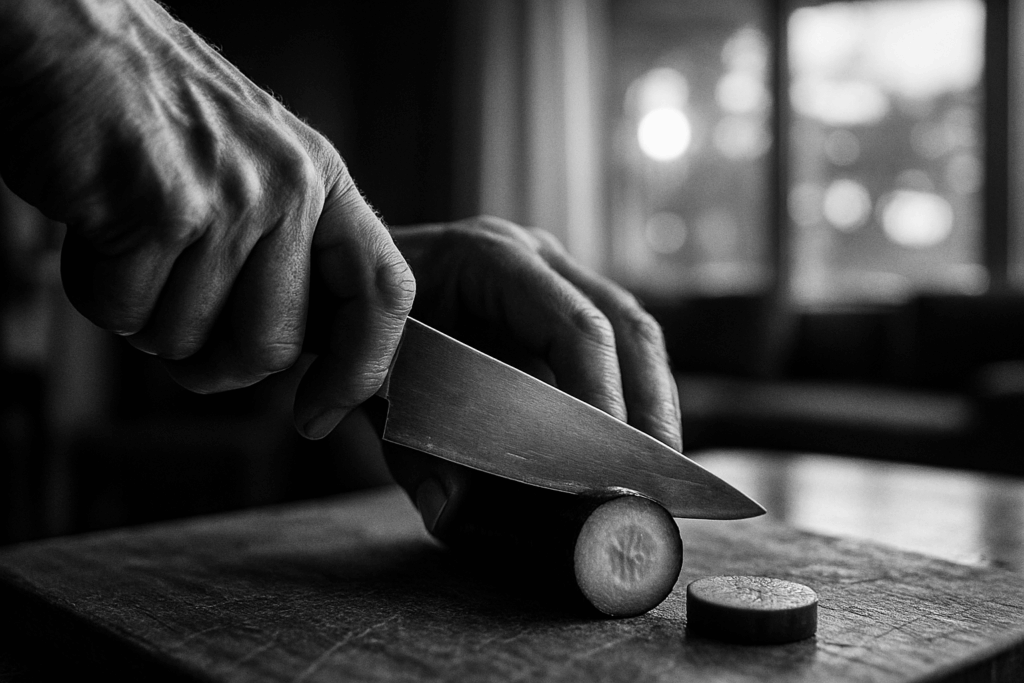
Start with the chef’s knife. If you invest in just one good blade, make it this one. An 8 to 10 inch chef’s knife is the workhorse of the kitchen chopping, slicing, mincing, even crushing garlic. A high quality one feels balanced in your hand and keeps its edge. You’ll reach for it every day, so skip the flashy gimmicks and go for steel that holds up.
Next up: the paring knife and the serrated knife. Paring knives are for the quiet jobs peeling apples, segmenting citrus, deveining shrimp. Small but mighty. Serrated knives? They’re your tomato and bread specialists. Anything with a soft inside and tough skin calls for those saw like teeth.
Blades dull, even the good ones. That’s where maintenance tools come in. A honing rod isn’t a sharpener it realigns your edge before each use. Think straightening, not grinding. Sharpening stones, on the other hand, actually remove metal to restore dull edges. Use both, but don’t mix them up.
Cutting boards may seem low stakes, but they’re not. Wood boards are easier on your knife edge and naturally resist bacteria if kept dry. Plastic is dishwasher safe and good for raw proteins just replace it when grooves get too deep. Whatever board you choose, keep it clean and keep it stable. Slipping boards or unwashed ones are recipe killers.
Heat and Precision: Cookware and Thermometers
Let’s get something straight: not all pans are created equal. Stainless steel is your go to for browning meat and creating flavorful pan sauces. It handles high heat, deglazes well, and won’t flake or wear out. The tradeoff? You’ll need to learn how to avoid sticking hint: heat first, then oil.
Nonstick pans are best for delicate jobs: eggs, pancakes, fish. But they’re not built for scorching temps or metal utensils. Keep one in rotation, but don’t rely on it for everything.
Cast iron brings the heat literally. It excels at retention and loves a long sear or an oven bake. It’s heavy, yes, but it builds flavor over time and becomes virtually non stick when seasoned right.
When it comes to core cookware, don’t overthink it. A good skillet (cast iron or stainless), a medium saucepan with a lid, and a sturdy Dutch oven will handle 90% of home recipes. These form the backbone of every serious kitchen.
Precision counts too. A meat thermometer isn’t a luxury it’s how you stop overcooking dinner. Internal temps don’t lie, and guessing doesn’t cut it.
Finally, your spatulas and tongs need to keep up. Go for silicone that won’t melt under pressure, and spring loaded tongs with grip, not gimmicks. These tools get used daily, often under fire literally. They need to hold up.
Prep Tools That Actually Save Time

Some kitchen tools look simple but save hours over a year. Let’s cut the fluff and talk about four that punch well above their weight.
First, the slicing squad: box grater, microplane, and mandoline. The box grater is your go to for shredding cheese, potatoes, carrots basically anything you want in thin ribbons fast. A microplane, on the other hand, is precision built: perfect for zesting citrus, grating garlic or nutmeg, and getting that parmesan snow without wrecking your knuckles. The mandoline is for those slicing jobs when you want uniformity think potato chips, cucumber ribbons, or quick pickled onions. Just use the guard or you’ll sacrifice a fingertip to the cause.
Next, mixing bowls that nest. Sounds basic, but a good set keeps your workspace clear and your ingredients corralled. Look for ones with rubber bases they don’t slip across the counter every time you reach for the whisk.
Measuring cups and spoons: don’t eyeball dry flour or liquid stock. Precision affects texture, rise, and flavor. Especially if you’re testing a new recipe or scaling up, accurate quantities save you from bland pasta sauce disasters or over salted stew.
And finally, the immersion blender a tool that quietly powers through sauces, dressings, and pureed soups without the mess or extra dishes a countertop blender needs. It’s compact, clean, and turns roasted veggies into dinner in seconds.
These aren’t trendy gadgets. They’re friction killers, time savers, and the kind of tools you reach for again and again.
Tools That Build Flavor
It’s easy to overlook the small stuff, but flavor happens in the details. A mortar and pestle gives you full control when breaking down spices or mashing aromatics. For larger batches or a quicker grind, a dedicated spice grinder does the job with more consistency than a coffee grinder ever will.
Then there’s the flavor trio: garlic press, citrus reamer, and zester. Each one adds a fast, functional burst of brightness or bite. Mince garlic without a cutting board. Get every drop of juice without seeds. Lift the zest without the bitter pith. Simple tools, major returns.
If you really want to layer flavors like a pro, your gear has to match your intent. These aren’t flashy drawer fillers. They’re foundational. Learn more about building layers of flavor like a pro chef.
Baking Basics, Even If You Don’t Bake
Even if you never plan to pipe frosting or make sourdough, a solid set of baking tools pulls more than its share of weight in the kitchen. Sheet pans? They’re not just for cookies. Use them for roasting vegetables, toasting nuts, or corralling ingredients mid prep. Wire racks help with airflow yes, for cooling but also for draining fried food or letting a glaze set properly. And silicone mats turn any sheet pan into a nonstick surface, no parchment required.
Whisks and rubber spatulas are daily drivers. Whether you’re emulsifying a vinaigrette or folding whipped cream into batter, you’ll reach for them more often than you think. And a food scale? It takes the guesswork out, especially when you’re splitting recipes or dialing in consistency with dry ingredients.
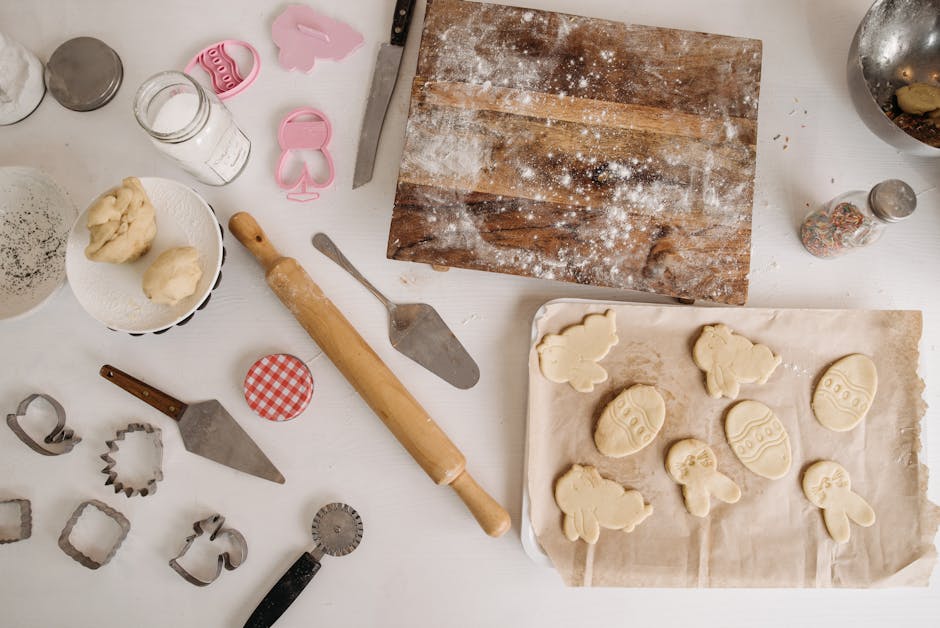
Then there’s the rolling pin. You might think it’s a one use wonder, but it’s surprisingly versatile. Sure, it flattens dough. But it also crushes crackers for a pie crust, tenderizes meat in a pinch, flattens herbs for rubbing, and even rolls out pasta sheets (if you’re ambitious). Bottom line: having one on hand pays off even if you never bake a thing.
Final Gear Checklist You’ll Actually Use
Here’s the no fluff list of tools that belong in every serious kitchen. These pieces earn their keep daily and don’t flinch under pressure.
Daily Workhorses
8″ Chef’s Knife: Cuts just about everything. Invest once, sharpen regularly.
Cutting Board (wood or high grade plastic): Stable, sizeable, and easy on knives.
10 12″ Skillet (stainless or cast iron): For searing, sautéing, or finishing in the oven.
Saucepan (2 3 qt): Perfect for grains, sauces, and small batch soups.
Tongs & Spatulas (high heat silicone or metal): Don’t melt. Get a pair that feels like an extension of your hand.
Meat Thermometer: Takes the guesswork out of proteins.
Nesting Mixing Bowls: Stackable, grippable, dishwasher safe.
Measuring Cups & Spoons: Steel or durable plastic. Use them often, use them right.
Box Grater or Microplane: Salad topper. Citrus zest. Garlic paste. All in one plane of effort.
Buy Smart, Buy Once
These aren’t things you replace every year. Choose solid brands, minimalist designs, and materials that can take a beating. Carbon steel, stainless, hardwood, silicone all built to last if you treat them right.
Grow Into Your Gear
Your skills evolve. Your tools should too. A chef’s knife feels better in your hand over time. A cast iron pan seasons with use. A digital scale helps you go from eye balling to precision. The best tools don’t just serve you but shape how you cook.