
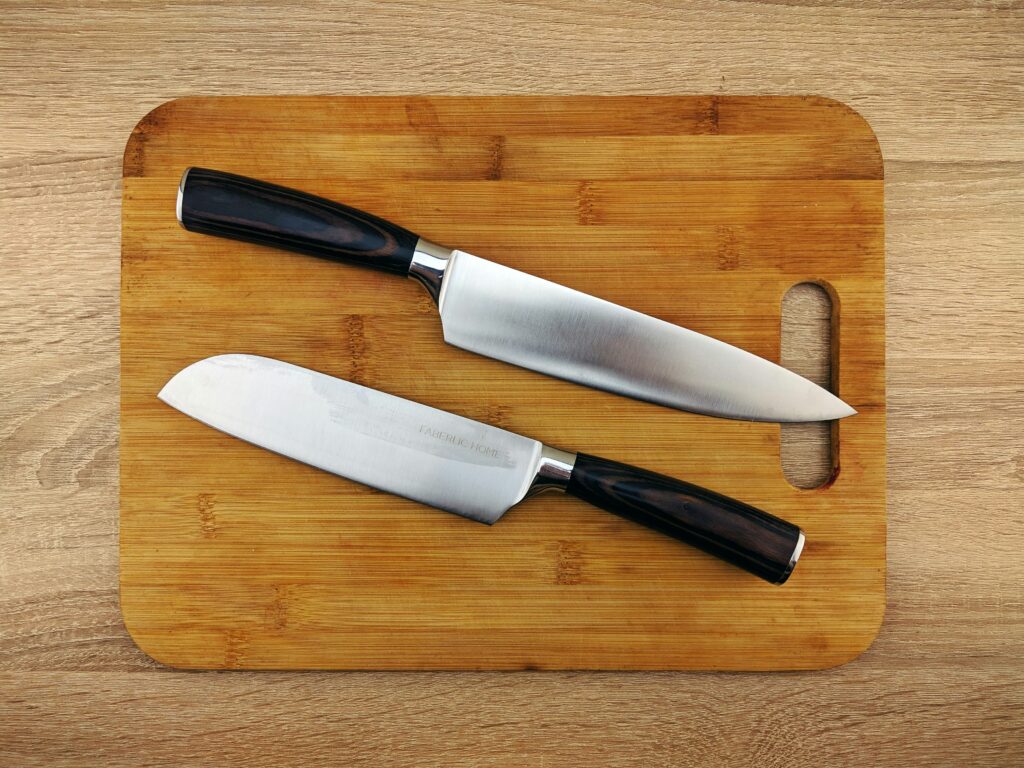
Choosing the Right Knife for the Job
If you’re starting from zero, skip the full knife block. You don’t need ten blades you need one that works. The chef’s knife is your workhorse. It’s versatile enough to handle most prep: slicing onions, breaking down chicken, even smashing garlic. If you’re buying one knife, make it this.
Next up is the utility knife. Think of it as the middleweight champ not as bulky as a chef’s knife, not as delicate as a paring knife. It steps in for sandwiches, small produce, or quick cuts. Handy, but not essential unless you’re prepping a wide range of ingredients.
The paring knife is built for precision. Peeling apples, deveining shrimp, trimming fat that’s its domain. It’s great for tight, controlled tasks but doesn’t pull its weight in the bigger picture.
Now, blade size and weight matter. A heavier knife gives better momentum through dense foods like squash or potatoes. A lighter blade offers agility, especially if your hands are on the smaller side. Don’t get swayed by looks. Grip it in the store. See how it feels.
Bottom line: forget a drawer full of gadgets. Own one solid chef’s knife that keeps its edge, feels right in your hand, and doesn’t warp under pressure. Add other knives only as your needs evolve.
How to Hold a Knife Like a Pro
Let’s get straight to it: grip is everything. Holding a knife the right way gives you control, stability, and power without it, you’re just sawing through food and hoping for the best.
The grip you want is called the “pinch grip.” It’s simple: pinch the blade itself right where it meets the handle, using your thumb and index finger. Then wrap your other three fingers around the handle. This brings the knife into alignment with your hand and arm, which equals better control and less fatigue. It’s the standard in pro kitchens for a reason.
Most home cooks default to the handle grip fingers curled entirely around the handle, hand too far back. That weakens your control and slows you down. Others choke up too much, even placing fingers on the spine of the blade, which can kill precision and tire the wrist fast.
The goal here isn’t fancy. It’s about getting the most out of the blade with the least effort. A good grip lets you move fast without losing accuracy, and that means cleaner cuts, safer hands, and a smoother cooking rhythm.
The Foundational Cuts to Learn
Before you dive into complex techniques or Instagram worthy plating, get the basics down. Three cuts make up the foundation of home cooking: dice, slice, and mince. Dice gives you uniform cubes think onions in a stew or carrots in a soup. Good slicing keeps things clean and consistent, especially when you’re cutting raw meat or working with delicate fruits. Mincing is for intensity garlic, herbs, and onions that melt into oils or sauces, leaving nothing but flavor.
Then there’s the fancier stuff: chiffonade, julienne, and brunoise. Don’t be intimidated by the names. Chiffonade is just ribbon cut leafy greens. Julienne looks like matchsticks. Brunoise turns that julienne into tiny cubes. These are straightforward once your knife is sharp and your hand is steady. It’s more about attention than brilliance.
Visual beats measurements in the kitchen. The size of your cut changes how food cooks. Too big, and it undercooks or dominates the plate. Too small, and it vanishes or burns. The goal? Consistency. When everything’s the same size, it cooks evenly and looks better, too. Start slow, find your rhythm, and let muscle memory do the rest.
Honing vs. Sharpening Know the Difference
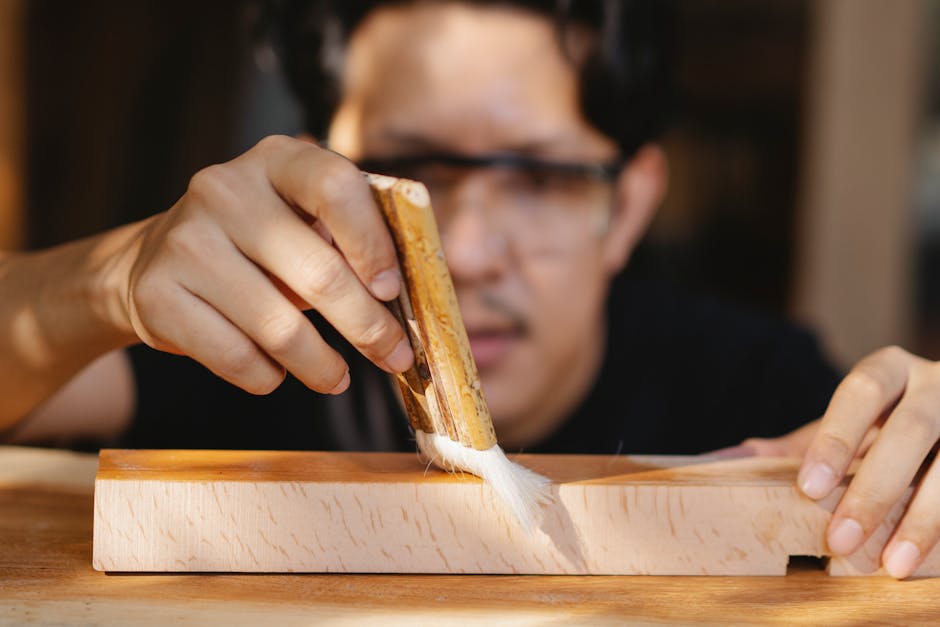
Let’s settle this up front: a dull knife is more dangerous than a sharp one. When your knife can’t glide through food easily, you’re forced to push harder and that’s when slips happen. Control fades, corners get cut (literally), and your fingers end up taking the hit.
To keep your blades working with you not against you use a honing steel regularly. Honing isn’t sharpening. It straightens the microscopic edge of the blade, correcting bends that happen during normal use. Run your knife lightly along the steel at about a 20 degree angle, alternating sides. Just a few passes does the job. Do this every few uses, not just when the knife feels off.
But honing only maintains an edge. Eventually, your blade will dull beyond what a steel can fix. That’s when sharpening comes in. Sharpening removes metal to create a fresh edge. If you cook often, get your knives professionally sharpened every 6 12 months. Avoid cheap pull through sharpeners they tend to tear up the blade more than restore it.
A sharp knife turns meal prep from a slog into something that feels right. Less pressure, more precision, and a way safer kitchen overall.
Safety First: Using Your Knife with Confidence
When it comes to knife work in the kitchen, technique isn’t just about precision it’s about protection. Mastering a few core safety practices helps you cook with more control and ease while reducing the risk of accidents.
Use the “Claw” Technique
One of the most important habits to build as a home cook is proper hand positioning. The “claw” technique keeps your fingertips tucked safely away while offering stability and control.
Tuck your fingertips under, guiding the blade with your knuckles
Keep your thumb and pinky back to avoid accidental slips
Use your knuckles as a guard while slicing
This method not only improves safety but also helps with more uniform cuts especially when chopping vegetables or herbs.
Stabilize Your Cutting Board
A shifting cutting board may not seem like a big deal, but it’s one of the easiest ways to risk injury. Luckily, there’s a simple fix.
Place a damp paper towel or kitchen cloth under your board
Use a cutting board with nonslip grips when available
Avoid using boards on glass or uneven countertops
Stability allows you to focus on your knife work without also wrestling against movement beneath your food.
Consider Heat When Handling Ingredients
Knife safety doesn’t stop with chopping vegetables. If you’re cooking something hot especially when oil is involved take extra care when transitioning ingredients from your cutting board to the pan.
Avoid direct hand transfer of cut ingredients when working with high heat
Use a bench scraper or spoon to gather and move food
Be cautious of moisture from freshly cut produce it can cause oil to splatter
For a complete guide on safely preparing for high heat cooking, especially frying, check out this essential frying safety article.
Practicing knife safety is a skill and like any skill, it becomes second nature with repetition. Prioritize form now, and your cooking confidence will grow alongside your ability.
Real World Tips to Practice Daily
Chopping broccoli shouldn’t feel like a test of patience. The more you practice smart, repeatable techniques, the quicker and cleaner your veggie prep gets. Line up carrots or celery and use your knuckles as a guide then slice in rhythm. Keep your grip relaxed but controlled. With a sharp blade, most vegetables should go down with minimal resistance. Batch your prep and store chopped produce in airtight containers to save time during the week.
When it comes to meat, things get a bit more precise. Always slice against the grain for tenderness, trim fat and sinew intentionally, and use a slightly flexible boning or fillet knife if you’re breaking down anything larger than a chicken breast. Knowing your cuts where and how to separate sections means less waste and more edible yield. Practice leads to efficiency, and you’ll be surprised how far one whole chicken can go in your hands.
Confidence builds quietly. The more time you spend wielding a knife with purpose, the more second nature it becomes. Don’t wait for a recipe to call for fine dicing or trimming a flank steak practice during everyday meals. Keep your motions steady, your fingers clear, and your focus sharp. Mastering cuts opens the door to more advanced techniques, and ultimately, better cooking.
Tools That Work With Your Knife, Not Against It
Your knife is only as good as what you cut on and how you move around that space. A solid cutting board isn’t just a surface, it’s part of your workflow. The right board won’t dull your blade, slip around the counter, or leave grooves that trap bacteria. Go for wood or high quality plastic. Ditch the glass and cheap bamboo.
Bench scrapers are another unsung hero. They move chopped ingredients without scraping your knife across the board, and they clean up scraps fast. Keep one nearby. A knife sharpener manual or electric is also worth the drawer space. Regular tune ups mean smoother cuts and fewer accidents.
Finally, don’t underestimate simple organization. A tidy prep station cuts down on mistakes, wasted time, and frustration. Use a few bowls for your mise en place. Wipe down often. Think clear and efficient. The smoother your prep flow, the better your cooking gets.
Also, when you’re taking those sharp new skills to the hot zone especially around oil check the frying safely guide to stay safe.