Start With the Right Pan
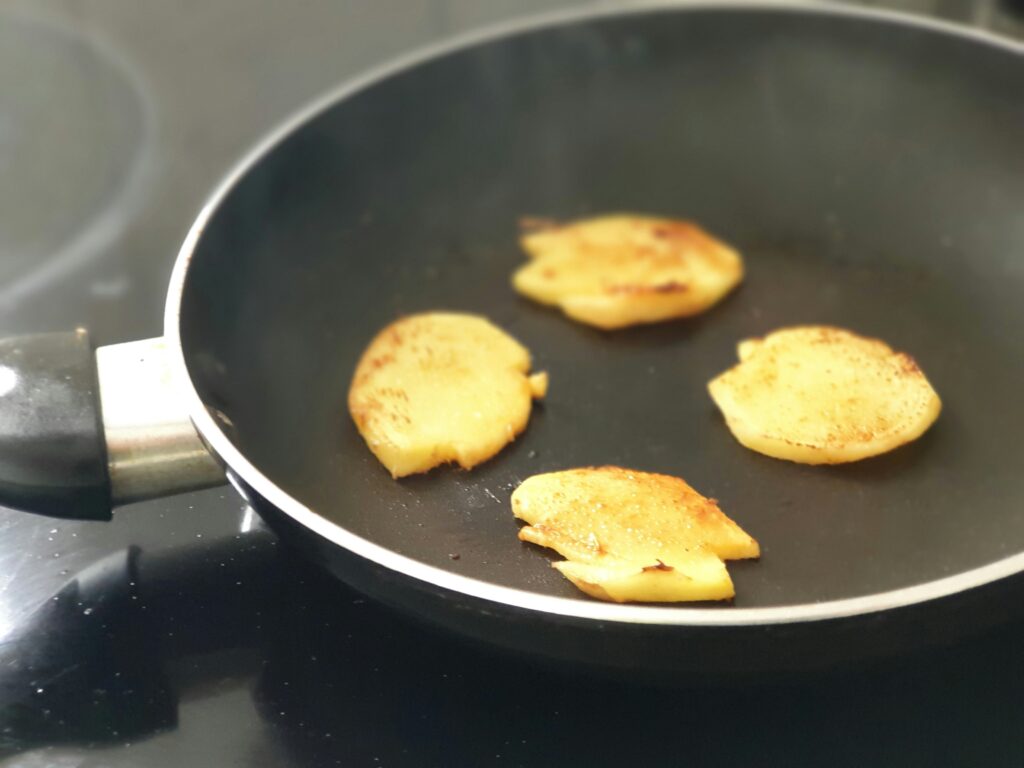
The foundation of oil conscious frying begins with the right pan. Choosing quality cookware can significantly impact how much oil you actually need and how well your food cooks.
Best Pans for Low Oil Frying
Nonstick Pans: Reduce oil usage dramatically thanks to their frictionless surfaces. Great for eggs, pancakes, and delicate proteins.
Ceramic Coated Pans: A safe, reliable alternative to traditional nonstick that still delivers excellent release with minimal oil.
Cast Iron Skillets: Known for superior heat retention and even cooking. Perfect for achieving crisp textures without excessive oil pooling.
What to Avoid
Scratched or Damaged Surfaces: These can cause sticking and demand more oil to compensate.
Cheap or Thin Cookware: Inconsistent heat distribution can lead to uneven browning and patchy crisping.
Pro Tip: Preheat With Purpose
Always allow your pan to preheat fully before adding ingredients. A hot surface is key to controlling oil absorption and encouraging the Maillard reaction the secret to golden, crispy results.
Heat the pan empty, then add food
Test heat readiness by flicking a drop of water onto the surface (it should sizzle and evaporate quickly)
Never rush this step proper preheating makes all the difference
Master Heat Control
Frying without extra oil doesn’t mean turning the heat to max and hoping for the best. Medium heat is where you want to live. If it’s too low, your food turns into a sponge for oil. Too high, and you’re left with charred edges and raw centers. Medium gets that balance enough to brown and crisp without burning or drowning in grease.
Patience also works in your favor. Natural sugars in many foods think onions, carrots, even bread need time to caramelize. Rushing leads to bitterness, not flavor. Let the heat do its job.
Not sure if the pan’s ready? Drop in a bit of water. If it sizzles right away and dances across the surface, you’re good to go. If it just sits there, you’re not hot enough. It’s a quick, foolproof check before you start cooking.
Optimize Your Ingredients
Even with the best pan and perfect heat, your frying success depends heavily on how you prepare your ingredients. A few smart adjustments can drastically reduce the need for added oil while still giving you that satisfying crisp.
Dry Your Ingredients Thoroughly
Moisture is the enemy of crispiness. When wet ingredients hit a hot pan, they steam instead of sear, resulting in a soggy final texture.
Pat ingredients dry with a clean kitchen towel or paper towel before cooking
Especially important for high moisture vegetables like zucchini or mushrooms
Choose Naturally Fatty Cuts
Not all ingredients need added oil to fry well. Those with higher natural fat content will often render their own moisture helping you cook and crisp without a heavy pour.
Use fatty cuts like salmon, skin on chicken thighs, or ground lamb
For plant based options, try avocado slices or soy based proteins with inherent oils
Lightly Dust with Starch
A light coating of starch gives ingredients a delicate, golden crust no deep fryer required. This also prevents sticking and helps maintain structure while cooking.
Use cornstarch or rice flour for a fine, crisp finish
Toss lightly, just enough to coat the surface without clumping
Mastering ingredient prep unlocks better frying results even with minimal or no oil. It’s a small shift with a big payoff in texture and taste.
Small Techniques That Go a Long Way

Don’t crowd the pan. It might seem like a time saver to toss everything in at once, but it’s a recipe for soggy disappointment. Give each piece space air needs to circulate for proper browning. A packed pan means excess steam, not crisp.
Flip your food only once. Resist the urge to poke, prod, or fuss. Let the bottom side build a crust it needs uninterrupted contact with the hot surface. Once it’s truly browned, it will release on its own. That’s your signal to flip.
After cooking, skip the paper towels. Rest your food on a wire rack. It keeps the base elevated and lets steam escape, so the underside stays crunchy. Paper towels trap heat and moisture underneath, which turns that perfect sear into limp disappointment.
Tools That Make It Easier
Let’s be blunt: most people use way more oil than they need. Precision is the name of the game here. Start with a silicone brush just a dab of oil, right where it matters. No puddles, no guessing. Want a cleaner, faster route? Use an oil spray bottle. It gives you a thin, even mist that coats without drowning everything. Bonus: you save money and cut unnecessary fat without sacrificing crispiness.
And for those serious about cutting oil completely, consider an air fryer. It uses hot convection air to crisp and brown your food with little or no oil at all. It’s not just hype it actually works. The texture’s legit, the flavor holds, and cleanup is easier. Straightforward, effective, and smart. That’s how you fry in 2024.
Ready To Level Up?
Looking to refine your oil free frying game even further? This is where smart technique meets practical know how.
Go Deeper Into Technique
Mastering “dry frying” and oil minimized methods is easier than you think if you have the right guidance:
Explore advanced topics like layered crust building and natural fat rendering
Learn how different surfaces impact crispiness
Discover combinations of heat and timing that produce consistent, golden results
Resource: Visit our detailed frying method guide for step by step breakdowns and expert tested techniques.
A Better Way to Fry
Oil free or low oil frying isn’t just a workaround it’s often an upgrade. Think cleaner taste, better texture, and none of the greasy aftertaste.
Food retains more of its natural flavor
You avoid soggy results caused by oil saturation
It’s healthier without sacrificing crunch or color
When done right, frying with less oil doesn’t just match traditional frying it surpasses it. The future of frying is lean, intentional, and powerfully crisp.
Proven, Practical, Oil Savvy
Frying doesn’t have to mean drowning your food in oil. The real trick? Control. Precision in heat, movement, and timing beats excess every time. When your skillet is properly preheated, your ingredients are prepped smart, and your tools support your technique, you get that golden crunch without the grease overload.
Use just enough oil to do the job no more. Brush, spray, or swipe it on intentionally. Let heat do the heavy lifting. Mastering your pan, spacing, and flip timing will bring crisp texture without a deep fryer in sight. Minimal input, maximum result.
For a complete breakdown of how to fry lean and clean, tap into our full guide: Read the full frying method guide for more pro insights.
 Ryvel Elthros is the kind of writer who genuinely cannot publish something without checking it twice. Maybe three times. They came to healthy cooking tips through years of hands-on work rather than theory, which means the things they writes about — Healthy Cooking Tips, Seasonal and Festive Recipes, Culinary Techniques and Tricks, among other areas — are things they has actually tested, questioned, and revised opinions on more than once.
That shows in the work. Ryvel's pieces tend to go a level deeper than most. Not in a way that becomes unreadable, but in a way that makes you realize you'd been missing something important. They has a habit of finding the detail that everybody else glosses over and making it the center of the story — which sounds simple, but takes a rare combination of curiosity and patience to pull off consistently. The writing never feels rushed. It feels like someone who sat with the subject long enough to actually understand it.
Outside of specific topics, what Ryvel cares about most is whether the reader walks away with something useful. Not impressed. Not entertained. Useful. That's a harder bar to clear than it sounds, and they clears it more often than not — which is why readers tend to remember Ryvel's articles long after they've forgotten the headline.
Ryvel Elthros is the kind of writer who genuinely cannot publish something without checking it twice. Maybe three times. They came to healthy cooking tips through years of hands-on work rather than theory, which means the things they writes about — Healthy Cooking Tips, Seasonal and Festive Recipes, Culinary Techniques and Tricks, among other areas — are things they has actually tested, questioned, and revised opinions on more than once.
That shows in the work. Ryvel's pieces tend to go a level deeper than most. Not in a way that becomes unreadable, but in a way that makes you realize you'd been missing something important. They has a habit of finding the detail that everybody else glosses over and making it the center of the story — which sounds simple, but takes a rare combination of curiosity and patience to pull off consistently. The writing never feels rushed. It feels like someone who sat with the subject long enough to actually understand it.
Outside of specific topics, what Ryvel cares about most is whether the reader walks away with something useful. Not impressed. Not entertained. Useful. That's a harder bar to clear than it sounds, and they clears it more often than not — which is why readers tend to remember Ryvel's articles long after they've forgotten the headline.